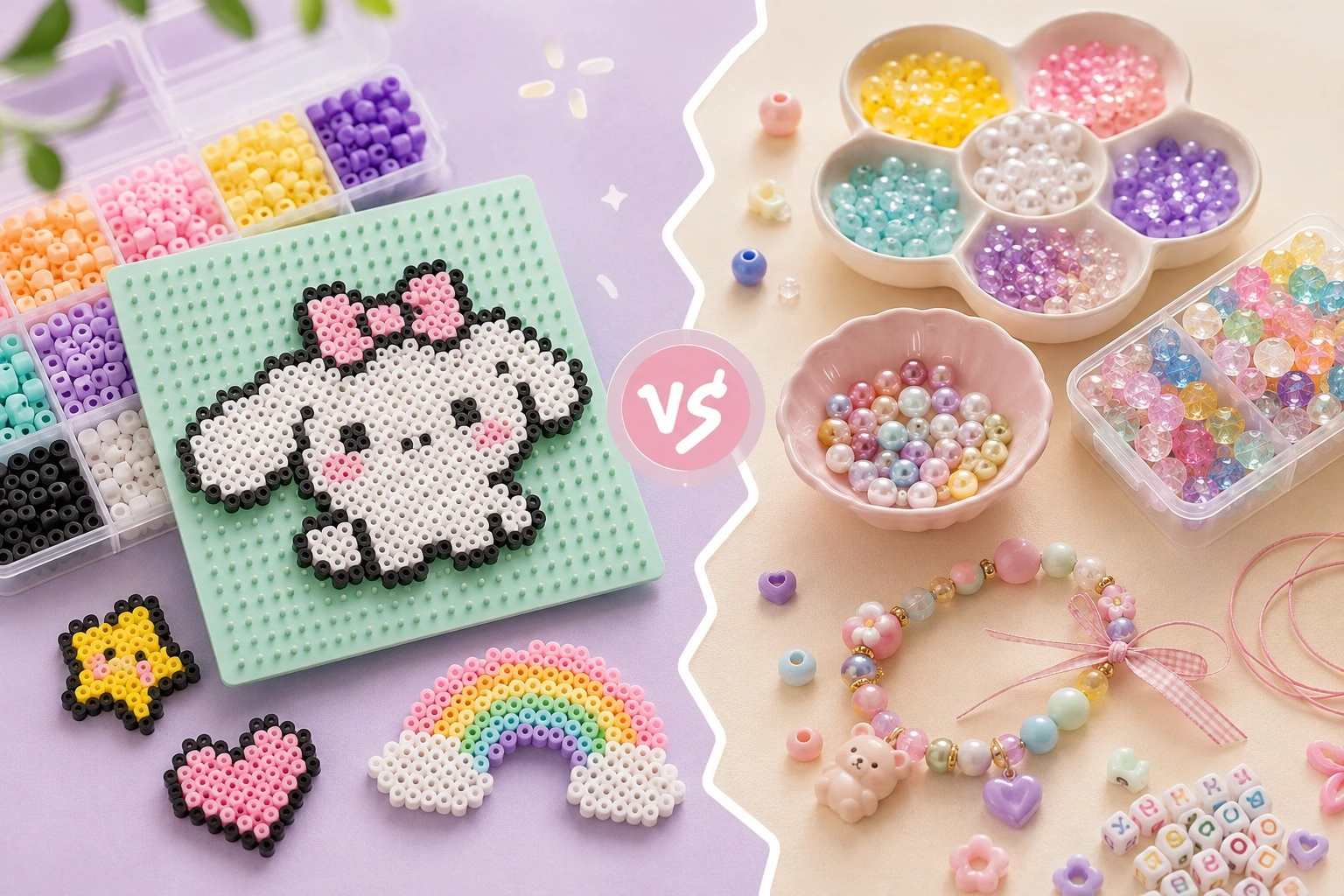
Perler fuse beads are one of the most widely available options among the many types of beads used for melt and fuse crafting, known for their consistent size and broad color range. Choosing between Perler and other brands usually comes down to pegboard compatibility, bead size, and how easily a set can be restocked later.
Anyone starting fuse bead crafting quickly runs into a confusing range of brand names and sizes. Perler, Hama, Nabbi, and generic fuse beads all look similar in photos, but they are not always interchangeable once you get down to actual project details. Knowing the real differences between these types of beads saves a lot of trial and error.
Here is how Perler fuse beads compare to the other common options.
What Are Perler Fuse Beads
Perler fuse beads are a well-known brand of plastic beads designed to be arranged on a pegboard and melted together with an iron.
- Standard Perler beads measure close to 5mm, matching the most common pegboard size
- The brand offers a wide color range, including solid, transparent, and glow-in-the-dark options
- Perler also sells matching pegboards, ironing paper, and project kits as a full system
- Wide availability makes replacement packs easier to find compared to some smaller brands
Types of Beads Used in Fuse Bead Crafting
Before comparing brands directly, it helps to understand the broader categories of types of beads used in this craft.
- Standard size beads, around 5mm, used by most major brands including Perler
- Mini beads, roughly half the size, used for finer detail work
- Midi beads, sitting between standard and mini sizes
- Pony beads, which are strung rather than melted and are a different craft entirely
Knowing these types of beads upfront makes it easier to compare specific brands on equal terms rather than mixing up size categories. For a broader sense of everything that falls under this category, type of stationery covers more ground too.
Perler Beads vs Fuse Beads from Other Brands
Generic or unbranded fuse beads are often sold at a lower price, but the comparison is not always straightforward.
- Perler beads vs fuse beads from lesser-known brands often comes down to consistency, since generic sets can vary slightly in size within the same bag
- Branded Perler beads tend to melt more evenly due to more consistent plastic quality
- Generic fuse beads can still work well for large, simple designs where minor inconsistencies matter less
- Price differences are usually the main reason people consider switching away from Perler
For anyone who enjoys mixing different DIY formats alongside bead projects, Sanrio Bricks Building Blocks make a fun addition to a craft afternoon.
Hama Beads vs Perler Beads
Hama is another major brand, especially popular outside the United States, and comparisons between the two come up often.
- Hama beads vs Perler beads mainly differ in slight size variation, which can affect compatibility with pegboards from the other brand
- Hama is often considered slightly more consistent in color saturation across batches
- Perler has wider distribution in some regions, making restocking easier depending on location
- Both brands produce standard, mini, and specialty bead types, so the choice often comes down to local availability
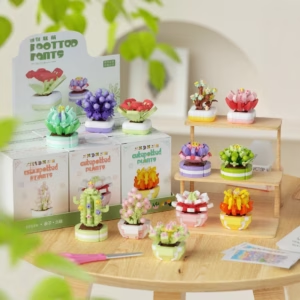
A Mini DIY Building Block Flower Pot Set is another easy pairing activity for the same kind of hands-on session.
Perler Beads Sizes and What They Affect
Size affects far more than just how a finished design looks.
- Standard-size Perler bead sizes work well for most beginner and intermediate projects
- Mini sizes allow for far more detail but take significantly longer to place
- Larger designs are easier to manage with standard size beads, especially for younger crafters
- Mixing sizes on the same pegboard rarely works well, since spacing differs between categories
Perler Beads Compatibility with Pegboards and Tools
Compatibility issues are one of the most common frustrations when switching between brands.
- Perler beads compatibility with Perler-branded pegboards is generally reliable
- Cross-brand compatibility varies, so testing a small batch before committing to a full project is worth the extra step
- Ironing paper is usually interchangeable across brands, unlike the beads and boards themselves
- Ordering pegboards and beads from the same brand avoids most spacing issues altogether
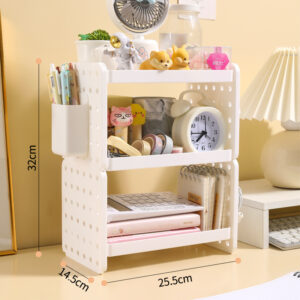
Keeping different bead types and tools sorted is much easier with a Desk Organiser nearby during longer projects.
Choosing Perler Fuse Beads for Beginners
For anyone just starting, a few factors make the decision easier.
- Perler beads for beginners are a safe default choice due to wide availability and clear instructions
- Starter kits often include a pegboard, beads, and ironing paper together, reducing early purchasing decisions
- Sticking with one brand while learning avoids the compatibility issues that come with mixing types of beads early on
- Once comfortable with the basics, experimenting with other brands becomes easier to manage
Most perler beads for beginners recommendations point to the same starting setup, since fewer variables make early troubleshooting simpler.
Price and Value Across Bead Types
Cost differences between bead types often reflect more than just brand name recognition.
- Perler sets are frequently priced mid-range compared to generic alternatives
- Bulk generic packs can be more economical for large-scale or repeated projects
- Specialty types of beads, like glow-in-the-dark or glitter, usually carry a slight price premium regardless of brand
- Refill packs are often more cost-effective than buying a brand new starter kit each time
Melting Quality Differences
The ironing stage tends to reveal quality differences that are not obvious just by looking at the beads.
- Perler fuse beads generally melt evenly with a medium heat setting
- Lower quality generic beads can sometimes require more heat, increasing the risk of warping a design
- Testing a small section before ironing a full project helps catch inconsistent melting early
- Letting a design cool fully before handling reduces the risk of distortion regardless of brand
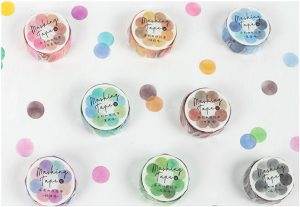
Displaying finished designs works well with a bit of decoration, and washi tape ideas has a few useful framing techniques worth trying.
Which Type of Bead Should You Choose
The right choice really depends on the specific project rather than one brand being universally better.
- For beginners, Perler fuse beads are a reliable starting point due to consistency and availability
- For detailed pixel art, mini beads from any reputable brand work well
- For large-scale or budget projects, generic bulk packs can be a practical choice
- For matching an existing collection, staying within the same brand avoids compatibility headaches
For a wider range of DIY building and craft options to pair with fuse bead projects, the kawaii building blocks collection has plenty to look through.
Quick Comparison Checklist
- Check bead size matches your existing pegboards before buying a new brand
- Compare melting consistency through a small test batch
- Factor in local availability for future restocking
- Match brand choice to project scale, whether that is detailed work or large simple designs
Perler fuse beads remain a dependable choice among the many types of beads available for this craft, mainly due to consistency and easy availability. Comparing brands directly before starting a bigger project helps avoid compatibility issues that only show up once beads are already placed on a board.
For everything else across the website, the cute stationery is worth checking out as well.
Frequently Asked Questions
What makes Perler fuse beads different from other types of beads?
Perler fuse beads are known for consistent sizing and wide color availability, which makes melting more predictable compared to some generic alternatives.
Are Hama beads better than Perler beads?
Hama beads vs Perler beads mostly comes down to slight size differences and regional availability rather than one being clearly superior.
Do all Perler bead sizes fit the same pegboard?
No, standard, mini, and midi sizes each require a matching pegboard, since mixing sizes causes spacing issues on the same board.
What should I check for perler beads compatibility with other brands?
Testing a small batch on your existing pegboard before committing to a full project helps confirm whether cross-brand beads fit properly.
Are Perler beads good for beginners?
Yes, Perler beads for beginners are a common recommendation since starter kits are widely available and include matching pegboards and tools.
Shop the kawaii collection
-
Sale!
-
Sale!
 Select options This product has multiple variants. The options may be chosen on the product page
 -
Sold Out
 Select options This product has multiple variants. The options may be chosen on the product page
 -
Sold Out
 Select options This product has multiple variants. The options may be chosen on the product page
Explore More Blogs