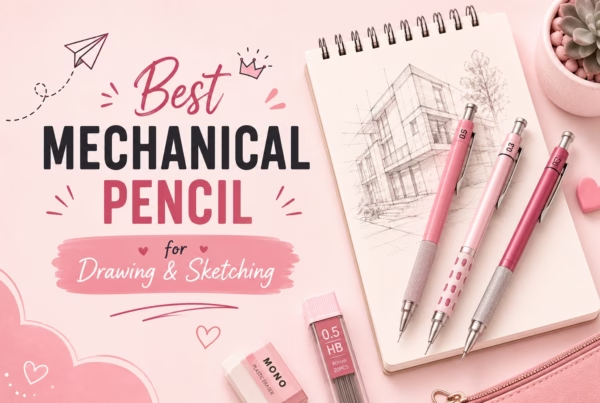
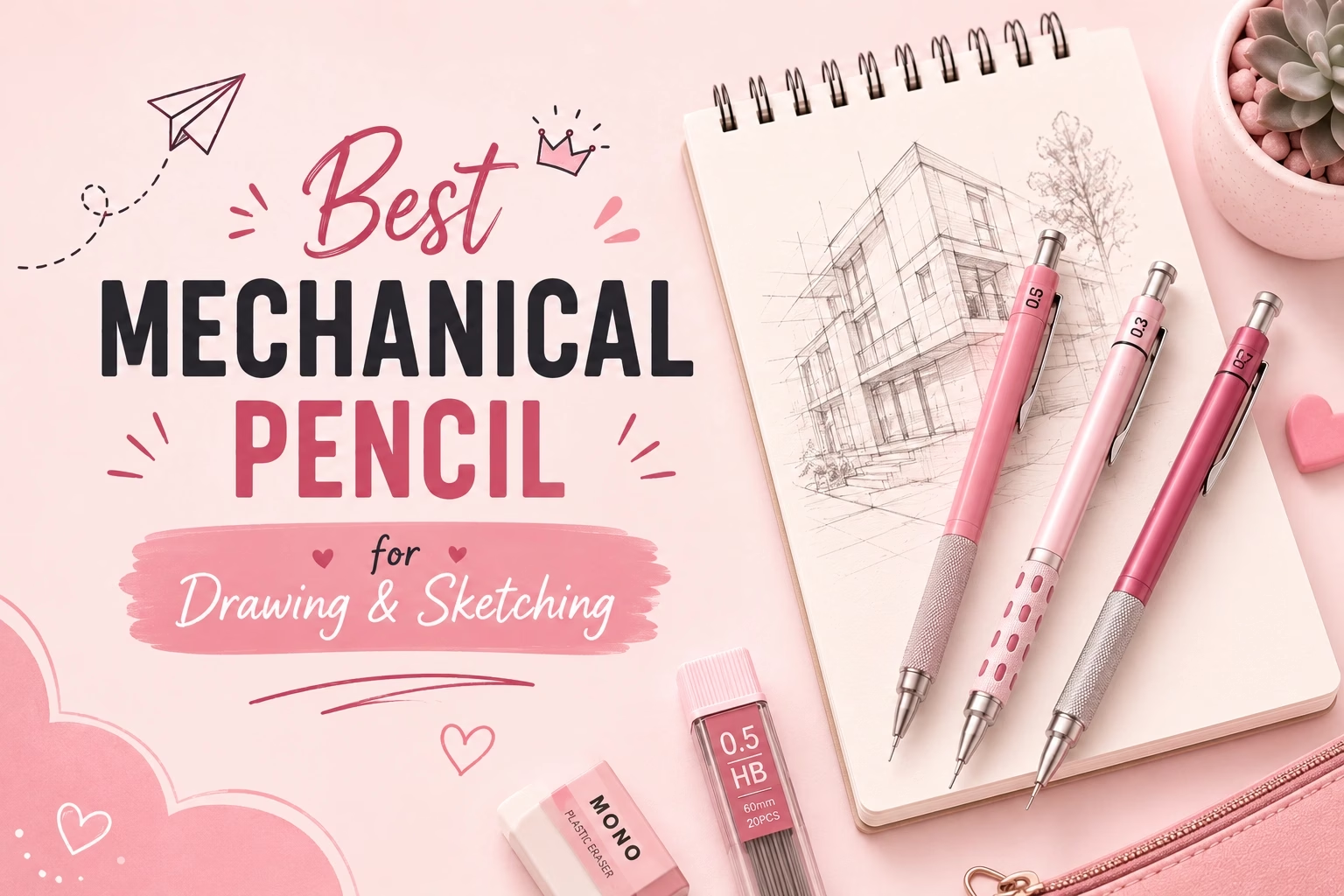
A mechanical pencil for drawing works best when it offers a soft, dark lead grade, a comfortable grip for long sessions, and a thin enough line width for detail work without constant sharpening. Unlike a pencil picked for everyday writing, one built for sketching needs to handle shading, line variation, and repeated erasing without the tip wearing down unevenly.
Sketching and drawing put very different demands on a pencil compared to note-taking or exam writing. A mechanical pencil for drawing needs to hold up through layers of shading, quick directional changes, and a lot of erasing, all without the lead snapping or the line going patchy. Picking the right one makes a noticeable difference in how a sketch actually turns out.
Here is what actually matters when choosing one, along with how it differs from a pencil picked purely for handwriting.
What Makes a Mechanical Pencil for Drawing Different
A pencil built for writing and one built for sketching are not solving the same problem.
- Drawing pencils benefit from softer lead grades, like 2B or 4B, for richer, darker lines
- Writing pencils usually default to HB, which is too light and hard for expressive shading
- A slightly thicker lead, like 0.7mm or 0.9mm, holds up better under the pressure changes involved in sketching
- A sturdy lead sleeve reduces breakage during quick, looser strokes common in drawing
If you specifically need something built to survive exam conditions rather than sketching, our post on mechanical pencils for exams covers that use case in more detail.
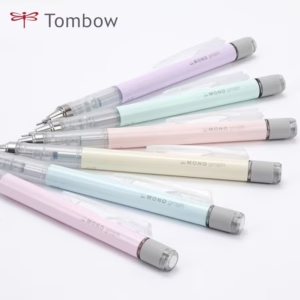
Which Pencil Is Best for Drawing Based on Lead Grade
Lead grade is the single biggest factor in how a mechanical pencil performs for drawing.
- HB works fine for light sketching or underdrawing before inking
- 2B offers a good middle ground of darkness and control for general sketching
- 4B and softer grades suit expressive, loose shading and value studies
- Harder grades like H are better reserved for technical or architectural style linework
Figuring out which pencil is best for drawing usually comes down to matching the lead grade to the kind of mark-making a particular style actually needs.
Lead Thickness and Line Control
Thickness affects both control and how often the pencil needs advancing during a session.
- 0.5mm is a common default and works well for detailed linework
- 0.7mm holds up better under pressure and suits looser, more expressive sketching
- 0.9mm is useful for bold outlines or quick gesture drawing
- Thinner leads require a lighter hand, since they snap more easily under heavy pressure
Grip and Comfort for Long Sketching Sessions
Drawing sessions often run longer than a quick note, so grip comfort matters more here than in a standard writing pencil.
- A textured or rubberized grip reduces strain during extended shading
- A slightly weighted barrel can improve control for detailed work
- Hexagonal barrels resist rolling off a tilted drawing surface
- Testing a pencil across a full page of shading before committing to a full set avoids discomfort later
Mechanism Types Worth Knowing
Mechanical pencils advance lead in a few different ways, and the mechanism affects how smoothly a drawing session flows.
- Standard click mechanisms are simple and widely available
- Shaker mechanisms let you advance lead without repositioning your grip mid-stroke
- Twist mechanisms offer fine control but can interrupt flow during fast sketching
- A mechanism that feels intuitive without much thought tends to work best for uninterrupted drawing sessions
Mechanical Versus Traditional Wood Pencils for Art
Both formats have a place in a sketching kit, and the choice often comes down to personal preference.
- Mechanical pencils maintain a consistent line width without sharpening
- Wood pencils allow for a wider range of line variation through natural wear
- Mechanical pencils are more convenient for detail work and travel sketching
- Many artists keep both, using wood pencils for broad shading and mechanical ones for detail
Art Pencil Best Drawing Picks for Different Styles
Different drawing styles benefit from slightly different pencil setups.
- For manga or anime style linework, a 0.3mm or 0.5mm pencil with an HB or 2B lead keeps lines crisp
- For realistic shading and portraiture, a range from 2B to 6B covers most value work
- For technical or architectural drawing, harder leads like H or 2H keep lines precise and clean
- An art pencil best drawing setup usually includes at least two lead grades to cover both outlining and shading
Smudge Control While Drawing
Smudging is a common frustration, especially during longer shading sessions.
- Work from top to bottom or left to right depending on your dominant hand to avoid dragging across finished areas
- A light dusting of eraser shavings can help protect finished sections
- Fixative spray helps set graphite once a sketch is finished
- Softer leads smudge more easily than harder ones, so factor this in humid climates
Building a Starter Drawing Pencil Set
A small, well-chosen set covers most beginner sketching needs without overspending.
- One HB or 2B pencil for general sketching and underdrawing
- One 4B pencil for deeper shading and contrast
- A kneaded eraser for lifting graphite without damaging the paper
- A Kawaii HB Pencil Set works well as an affordable starting point for practicing basic shading and control before investing in specialty leads.
Caring for a Drawing Pencil
A little maintenance keeps a drawing pencil performing consistently over time.
- Store pencils flat rather than upright to avoid pressure on the lead
- Avoid dropping mechanical pencils, since internal mechanisms can shift out of alignment
- Refill lead before it runs completely low, since the last stretch often advances unevenly
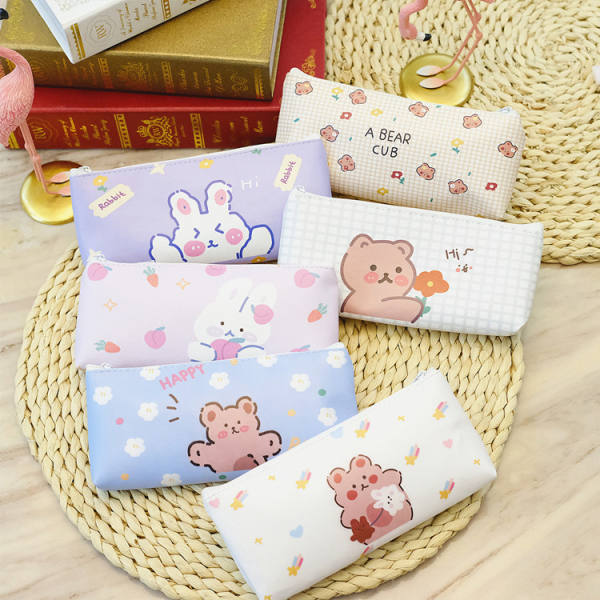
- Keep a Cute Pencil Case on hand to protect pencils and leads from getting crushed in a bag between sketching sessions.
Quick Checklist Before Choosing One
- Match lead grade to your usual drawing style, softer for shading, harder for precision
- Pick a lead thickness that suits both detail work and looser sketching
- Test the grip across a full page before committing to a larger set
- Keep at least two lead grades on hand to cover both outlining and shading
A mechanical pencil for drawing earns its place in a sketching kit by handling shading, detail, and repeated erasing without letting the tool get in the way of the actual drawing. Once lead grade, thickness, and grip are dialed in, the pencil stops being something to think about and just becomes part of the process.
For a wider range of pencils and drawing tools to build a full sketching kit, the kawaii pen collection has plenty to look through.
For everything else across the store, the cute stationery homepage is worth checking out as well.
Frequently Asked Questions
What lead grade is best for a mechanical pencil used for drawing?
2B is a common all-purpose choice for sketching, while 4B and softer grades suit deeper shading and looser, expressive linework.
Which pencil is best for drawing detailed linework versus shading?
A 0.5mm pencil with a harder lead like HB or 2H suits detailed linework, while a thicker 0.7mm or 0.9mm pencil with softer lead works better for shading.
Is a mechanical pencil better than a wood pencil for sketching?
Neither is strictly better. Mechanical pencils offer consistent line width without sharpening, while wood pencils allow more natural line variation through wear.
What makes an art pencil the best option for drawing compared to a regular writing pencil?
An art pencil’s best drawing setup usually includes softer lead grades and slightly thicker leads, since writing pencils default to harder HB leads that are too light for expressive shading.
How do I stop my drawing from smudging while I work?
Working in a consistent direction with your dominant hand, using a fixative spray once finished, and choosing a slightly harder lead in humid conditions all help reduce smudging.
Shop the kawaii collection
-
Sale!
-
Sale!
 Select options This product has multiple variants. The options may be chosen on the product page
 -
Sold Out
 Select options This product has multiple variants. The options may be chosen on the product page
 -
Sold Out
 Select options This product has multiple variants. The options may be chosen on the product page
Explore More Blogs