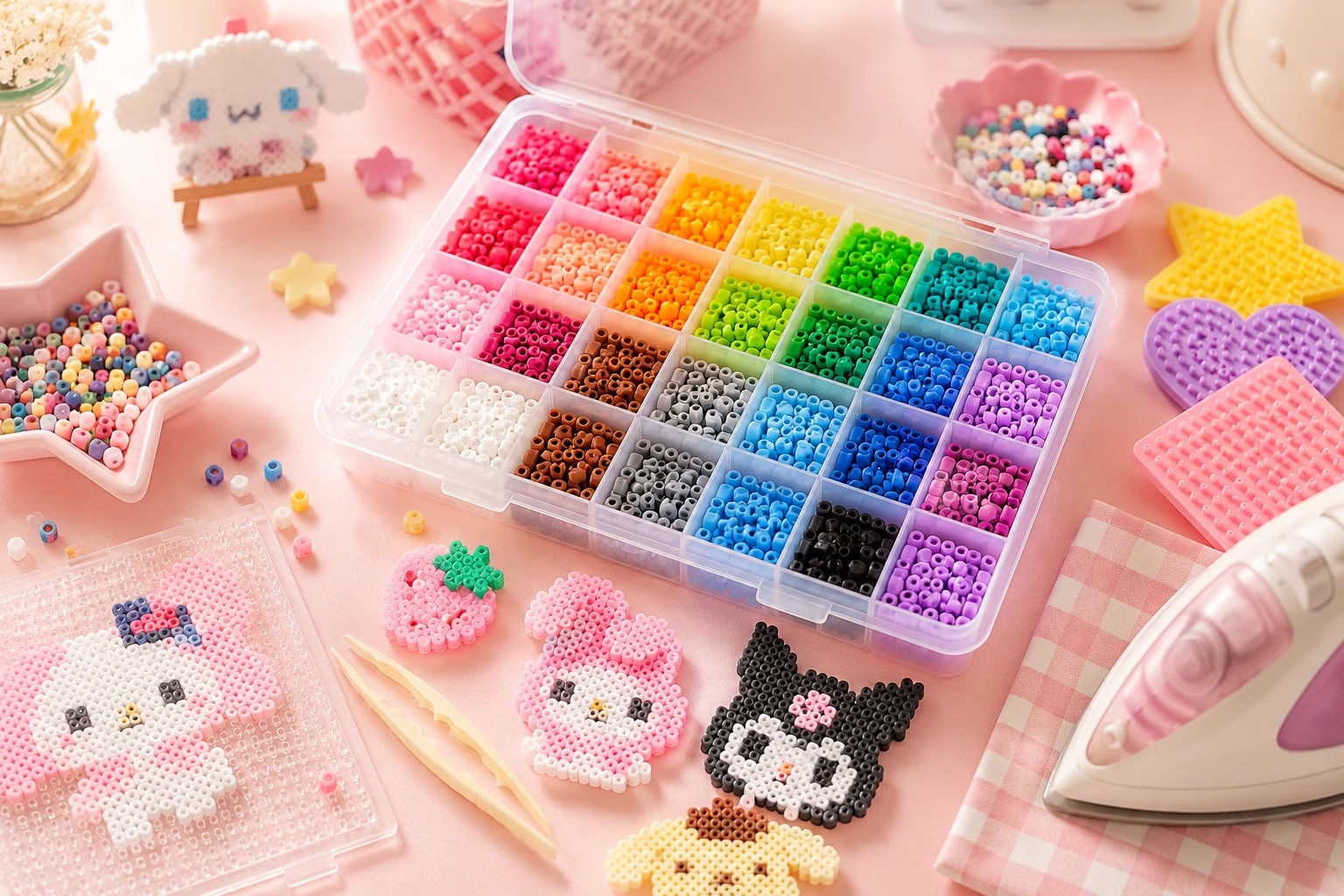
Plastic fuse beads are worth checking closely before buying, mainly for bead size, material quality, and pegboard compatibility. A set that looks like a good deal can end up frustrating if the beads do not fit standard boards or melt unevenly once ironed.
Fuse beads are one of those crafts that look simple in photos but depend heavily on the quality of the actual beads being used. Cheaper sets can crack, melt inconsistently, or come in colors that do not match what was shown online. A few checks before buying save a lot of wasted time and half-finished designs.
Here is what actually matters when picking a set.
Bead Size and Compatibility
Size affects both the level of detail possible and whether the beads work with boards you already own.
- Standard size beads, around 5mm, are the most common and widely compatible
- Mini fuse beads allow for finer detail but take longer to place and are easier to lose
- Midi beads sit between the two, offering a balance of detail and speed
- Check that the size matches your existing pegboards before buying a new set
Mixing sizes from different brands on the same board rarely works well, so sticking to one size range keeps designs consistent.
Fuse Bead Pegboard Considerations
The pegboard is just as important as the beads themselves, especially for anyone planning multiple projects.
- Clear or transparent boards make it easier to see the design underneath while placing beads
- Shaped boards, like hearts or stars, are useful for keychains and small gift projects
- Larger square boards work better for detailed pixel art or bigger designs
- A pegboard with tightly spaced pegs holds beads more securely while working
A good fuse bead pegboard is often what separates a smooth crafting session from a frustrating one, since loose pegs let finished rows shift before they can be ironed.
Plastic Fuse Beads Quality and Consistency
Not all plastic fuse beads are made the same way, and quality shows up most during the melting stage. Cheap plastic fuse beads tend to reveal their lower quality only once the iron comes out, which is why checking a few details beforehand is worth the extra minute.
- Beads made from consistent plastic melt evenly without leaving gaps or bubbles
- Cheaper beads sometimes vary slightly in size, causing uneven rows once placed
- A slight glossy finish on individual beads is usually a sign of decent quality
- Beads that feel brittle or crack when pressed lightly are more likely to shatter during use
Color Range and Transparency Options
Color variety affects how much creative flexibility a set actually offers.
- Solid colors work well for most beginner projects and patterns
- Transparent beads add a nice effect for light-catching designs, like sun catchers
- Glow-in-the-dark and glitter beads are fun additions but are usually better mixed in sparingly
- A wider color range reduces the need to buy separate refill packs early on
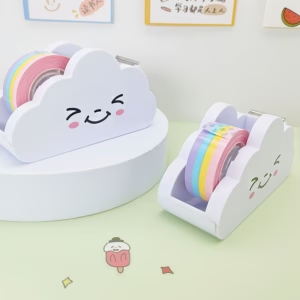
Finished designs also look good mounted on a small card or backing, and our post on washi tape ideas has a few useful ways to frame or decorate around a completed piece.
How to Melt Fuse Beads Properly
Melting technique affects the final look of a design just as much as the beads themselves.
- Place parchment paper over the completed design before ironing
- Use a medium heat setting and move the iron in small circular motions
- Avoid pressing too hard, since it can shift beads out of place before they set
- Let the design cool completely on the board before lifting it off
Fuse Bead Ironing Tips for Beginners
A few small habits make fuse bead ironing far less stressful for anyone trying this for the first time.
- Do a test press on a scrap section before ironing the full design
- Iron both sides of the design for a smoother, more even finish
- Keep the iron moving constantly rather than resting it in one spot
- Check the underside partway through to see how much the beads have fused
Learning how to melt fuse beads well works best with practice, and most beginners notice a big improvement after just a few completed designs.
Safety and Material Standards
Since fuse beads are handled directly and melted with heat, safety details are worth checking before buying.
- Look for a non-toxic label, especially for sets meant for younger crafters
- Check for BPA-free packaging where listed
- Beads that produce a strong chemical smell when melted are usually lower quality
- Store beads away from direct heat or sunlight, since prolonged exposure can affect their texture
Perler Beads India and Local Availability
Availability and stock consistency matter for anyone planning ongoing projects rather than a single kit.
- Perler Beads India availability has grown, though local alternatives are often easier to restock quickly
- Checking whether refill packs are sold separately avoids running out mid-project
- Comparing bead compatibility across brands helps if switching suppliers later becomes necessary
For a broader sense of everything that falls under this category, Kawaii stationery items cover more ground too.
Fuse Bead Patterns and Designs for Beginners
Starting with manageable fuse bead designs for beginners makes the whole process feel far less overwhelming.
- Simple pixel style icons, like hearts, stars, or fruit shapes
- Small keychain-sized designs that use fewer beads and finish quickly
- Symmetrical patterns, which are easier to plan and less likely to look uneven
- Gridded reference sheets, which help beginners place beads accurately before attempting freehand designs
Fuse bead designs for beginners tend to work best when kept small, since larger projects multiply the chance of small placement mistakes. Sticking to simple fuse bead patterns at the start also builds confidence before moving on to bigger pieces. Anyone who enjoys mixing craft formats might also like Sanrio Bricks Building Blocks as a break between bead projects.
Fuse Bead Keychain Ideas Worth Trying
Keychains are one of the most popular small projects, mainly because they finish quickly and use minimal beads. Mini fuse beads work especially well here, since the smaller size allows for more detail in a compact design.
- Mini character faces, or simple icons, work well at keychain size
- Adding a metal ring loop before ironing keeps the attachment secure
- Two-toned designs look effective without requiring too many colors
- Small batches of keychains also make easy, low-cost gifts
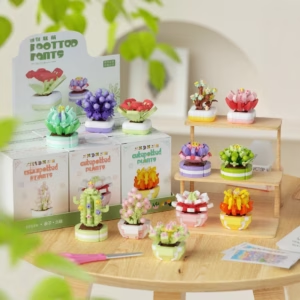
These fuse bead keychain ideas work well as a quick weekend project, since most designs finish within a single sitting. For a slightly different weekend project, a Mini DIY Building Block Flower Pot Set makes a fun pairing activity for the same craft afternoon.
Storage and Organization for Loose Beads
Keeping beads sorted saves a significant amount of time during actual projects.
- Small compartment trays work well for sorting beads by color
- Sealed containers prevent beads from scattering or mixing with other supplies
- Labeling compartments speeds up finding specific colors during detailed designs
- Keeping beads away from small children when not in use is worth the extra step
For a wider range of DIY building and craft options to pair with fuse bead projects, the kawaii building blocks collection has plenty to look through.
Quick Checklist Before Buying
- Confirm the bead size matches your existing pegboards
- Check for a non-toxic and BPA-free label
- Look for consistent bead texture and color across the set
- Consider whether refill packs are sold separately for future projects
Buying plastic fuse beads rewards a bit of upfront checking, since size, quality, and compatibility make a bigger difference than most people expect before starting a project. Once these basics are covered, fuse bead crafting becomes a reliable, low-cost hobby that works for quick projects and detailed designs alike.
Keeping loose beads and small tools sorted is much easier with a Desk Organiser nearby during longer projects.
For everything else across the store, the cute stationery homepage is worth checking out as well.
Frequently Asked Questions
What size plastic fuse beads should a beginner buy?
Standard size beads, around 5mm, are the easiest to start with since they are widely compatible with most pegboards and easier to handle than mini sizes.
How do I melt fuse beads without ruining the design?
Place parchment paper over the beads, use a medium heat setting, and move the iron in small circular motions instead of pressing down in one spot.
Is Perler Beads India availability reliable for restocking?
Perler Beads India availability has improved over time, though checking for local alternatives is worth doing in case a specific color runs out mid-project.
What are some easy fuse bead patterns for beginners?
Simple pixel-style icons, symmetrical shapes, and small keychain-sized designs are good starting points that keep early projects manageable.
How should loose fuse beads be stored between projects?
Small compartment trays or sealed containers work well for sorting beads by color, and a Desk Organiser helps keep everything within reach during longer sessions.
Are plastic fuse beads safe for kids to use?
Most sets are safe when supervised, especially those labeled non-toxic and BPA-free. The ironing step should always be handled by an adult.
Shop the kawaii collection
-
Sale!
-
Sale!
Select options This product has multiple variants. The options may be chosen on the product page
-
Sold Out
 Select options This product has multiple variants. The options may be chosen on the product page
 -
Sold Out
 Select options This product has multiple variants. The options may be chosen on the product page
Explore More Blogs