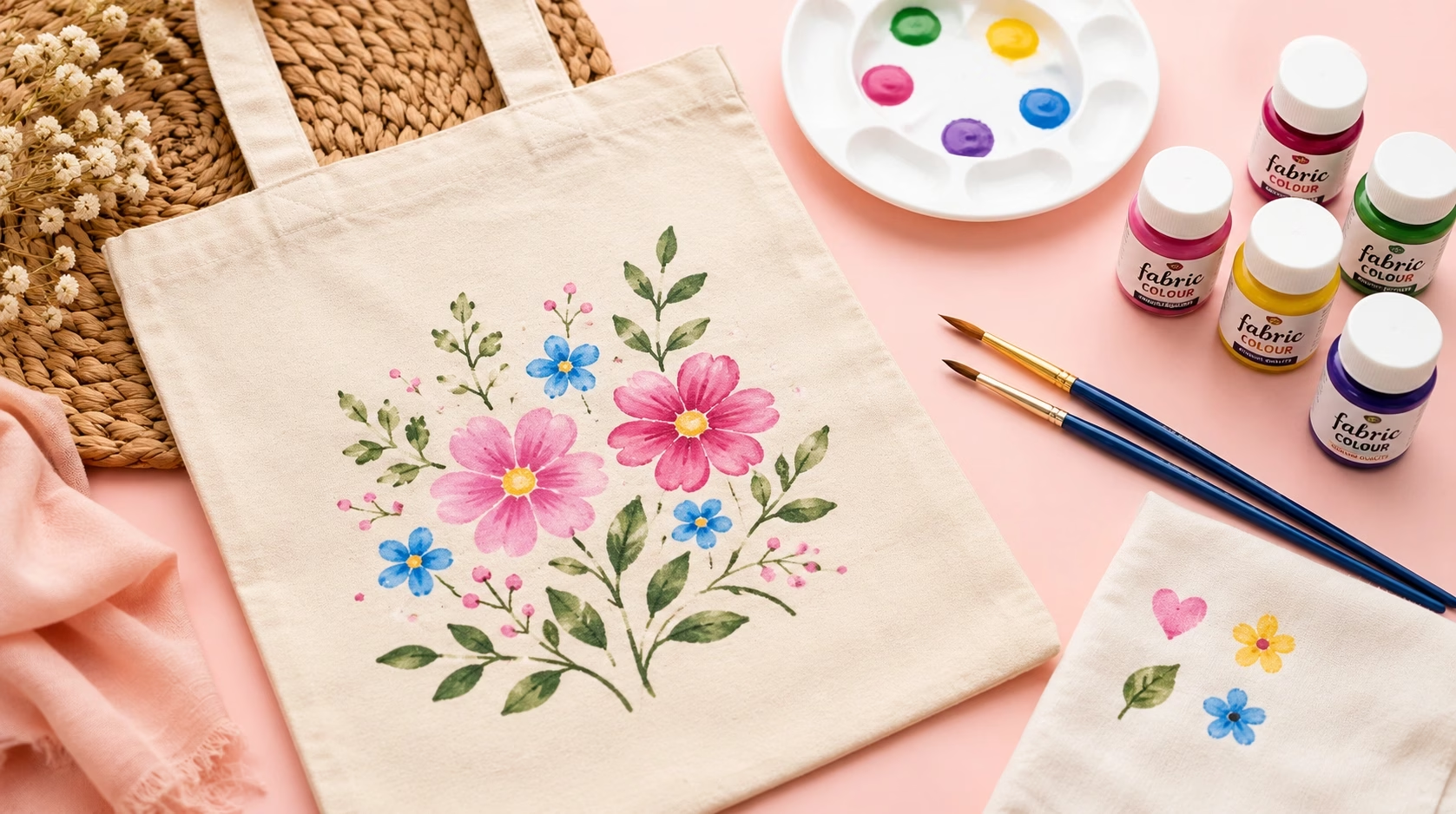
Fabric colour painting works best when the fabric is prepped properly, the right type of paint is used for the material, and the design is sketched out before any colour touches the cloth. Getting these basics right from the start makes the difference between a design that lasts through washes and one that cracks or fades after a few uses.
Painting on fabric feels intimidating at first, mostly because cloth behaves so differently from paper or canvas. Paint can bleed, colors can look duller once dry, and a design that looked perfect in pencil can shift the moment paint gets involved. None of this means fabric painting is hard; it just needs a slightly different approach than regular painting.
Here is everything worth knowing before starting your first project.
Fabric Painting Materials List
Having the right materials ready before starting saves a lot of frustration halfway through a design.
- Fabric paint, specifically made for cloth rather than regular acrylic or poster paint
- A fine-tip applicator or squeeze bottle for outlining
- Flat, soft-bristle brushes for filling in larger areas
- A cardboard sheet or plastic board to place inside the fabric, preventing paint from bleeding through
- Masking tape to hold the fabric flat and stop it from shifting
- A pencil or fabric marker for sketching the design first
- An iron, for setting the paint once it has dried completely
Having this fabric painting materials list ready before starting means fewer interruptions once the actual painting begins.
Preparing the Fabric Before Painting
Fabric needs a bit of preparation before any paint goes on, especially if it has been washed or stored for a while.
- Wash and dry the fabric first to remove any starch or finishing chemicals
- Iron it flat so there are no creases that could cause uneven paint application
- Stretch the fabric slightly over the cardboard insert so it does not move while painting
- Lightly sketch the design in pencil, since it is much easier to erase mistakes before paint is involved
Understanding Fabric Colour Painting Types
Fabric colour painting comes in a few different forms, and knowing the difference helps pick the right one for a project.
- Puffy paint creates a raised, textured finish, popular for bold outlines
- Glossy fabric paint dries with a slight shine, good for standout designs
- Matte fabric paint blends more naturally into the cloth, making it useful for softer looks
- Fabric dye is different from paint entirely, since it soaks into fibers rather than sitting on top
Cloth Painting Design Basics for Beginners
Starting with a manageable design makes the whole process feel far less overwhelming.
- Pick a simple shape with clean edges, like a flower, star, or geometric pattern
- Avoid tiny, detailed elements until you are comfortable controlling the paint
- Keep the color palette to two or three shades for the first few attempts
- Practice the design on scrap fabric before committing to the final piece
A good cloth painting design for a first project usually has clear boundaries, since these are the easiest to control with an outline and fill technique.
Fabric Painting Outline with Filling Technique
This is the most common method used in fabric colour painting and works well for most beginner designs.
- Outline the shape first using a fine-tip applicator, letting it dry slightly before filling
- Fill in the enclosed area using a brush, working from the center outward
- Avoid overloading the brush with paint, since it increases the chance of bleeding past the outline
- Let each color dry before adding a second color nearby to avoid mixing unintentionally
The fabric painting outline with filling method gives cleaner results than trying to paint a full shape freehand without a border.
Cloth Painting Designs Easy Enough for a First Try
A few design types are especially forgiving for someone just starting out.
- Polka dots or simple repeating patterns
- A single centered motif, like a heart, leaf, or small animal shape
- Geometric borders along the edge of a tote bag or pouch
- Lettering using stencils, which keeps the outline consistent without freehand shaking
These cloth painting designs are easy enough for beginners to still look polished once finished, without requiring advanced brush control.
Choosing Fabric Based on the Project
Different fabrics respond to paint differently, which affects how a design turns out.
- Cotton is the most beginner-friendly, since it absorbs paint evenly
- Denim works well for bold designs, but may need a thicker paint consistency
- Silk and delicate fabrics require diluted paint and a much lighter hand
- Blended fabrics can behave unpredictably, so testing on a scrap piece first is worth the extra step
Setting and Caring for Painted Fabric
Once the design is done, a few steps help it last through regular washing and wear.
- Let the paint air dry completely, usually for 24 hours, before handling the fabric
- Iron over the design with a cloth barrier to heat set the paint, following the paint label’s instructions
- Wash painted fabric inside out on a gentle cycle to protect the design
- Avoid direct sunlight for drying, since it can fade colors faster over time
Common Mistakes in Fabric Painting for Beginners
A few recurring mistakes tend to show up in early fabric painting for beginners.
- Skipping the practice run on scrap fabric before starting the real piece
- Using too much paint at once, which leads to bleeding and uneven texture
- Forgetting to heat set the design, which causes it to fade or crack quickly
- Painting without the cardboard insert, which can bleed color through to the back
How to Paint Fabric with Confidence Over Time
Like most crafts, comfort with fabric colour painting builds gradually with practice.
- Start with small projects like tote bags or pouches before attempting larger pieces
- Keep a small sketchbook of designs that worked well for future reference
- Revisit early projects after a few months to see how much control has improved
- Experiment with mixing two techniques, like outline and fill combined with stencils
Learning how to paint fabric well is mostly a matter of repetition, since each project tends to reveal a small adjustment worth making the next time.
Quick Checklist Before You Start
- Confirm the fabric type matches the paint being used
- Sketch the design lightly before picking up any paint
- Test colors and technique on scrap fabric first
- Plan enough drying and setting time before the fabric needs to be used
Fabric colour painting rewards patience more than natural talent, and most of the learning curve disappears after just a few practice pieces. Once the basics of preparation, technique, and setting are in place, painting on fabric becomes a reliable creative outlet rather than a stressful project.
For anyone building a full craft kit alongside fabric paints, a mini building block flower pot makes a fun beginner project to pair with a painting session.
Keeping supplies sorted with a Desk Organiser makes it easier to find brushes, paint bottles, and stencils quickly during a project.
A Transparent Pouch is also handy for carrying brushes and small paint bottles without them rolling loose in a bag.
For more creative project ideas that pair well with fabric painting, our post on washi tape ideas is worth a look. And for a broader sense of everything that falls under creative supplies, the type of stationery covers more ground, too.
For a wider range of craft supplies to explore for future projects, the cute arts and crafts collection has plenty to look through. And for everything else across the store, the Cute stationery homepage is worth checking out as well.
Frequently Asked Questions
What materials do I need to start fabric colour painting?
A basic fabric painting materials list includes fabric paint, a fine-tip applicator, soft brushes, a cardboard insert, masking tape, and an iron for setting the design.
What is the outline and fill technique in fabric painting?
Fabric painting outline with filling means outlining a shape first, letting it dry slightly, then filling the enclosed area with a brush, which keeps colors from bleeding into each other.
What are some cloth painting designs easy enough for beginners?
Polka dots, simple centered motifs, and geometric borders are all cloth painting designs easy enough to attempt on a first try without advanced brush control.
How do I make fabric paint last through washing?
Heat setting with an iron after the paint has fully dried, then washing the fabric inside out on a gentle cycle, helps the design hold up over time.
Is fabric colour painting hard to learn?
Not particularly. Fabric painting for beginners mostly comes down to proper prep, simple designs, and patience with drying and setting times rather than needing advanced artistic skill.
Shop the kawaii collection
-
Sale!
-
Sale!
 Select options This product has multiple variants. The options may be chosen on the product page
 -
Sold Out
Select options This product has multiple variants. The options may be chosen on the product page
-
Sold Out
Select options This product has multiple variants. The options may be chosen on the product page


Explore More Blogs