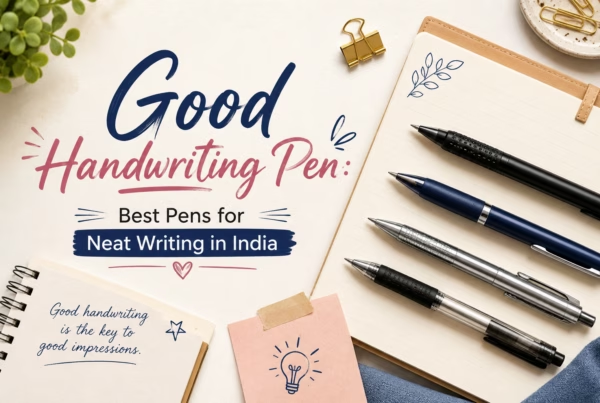
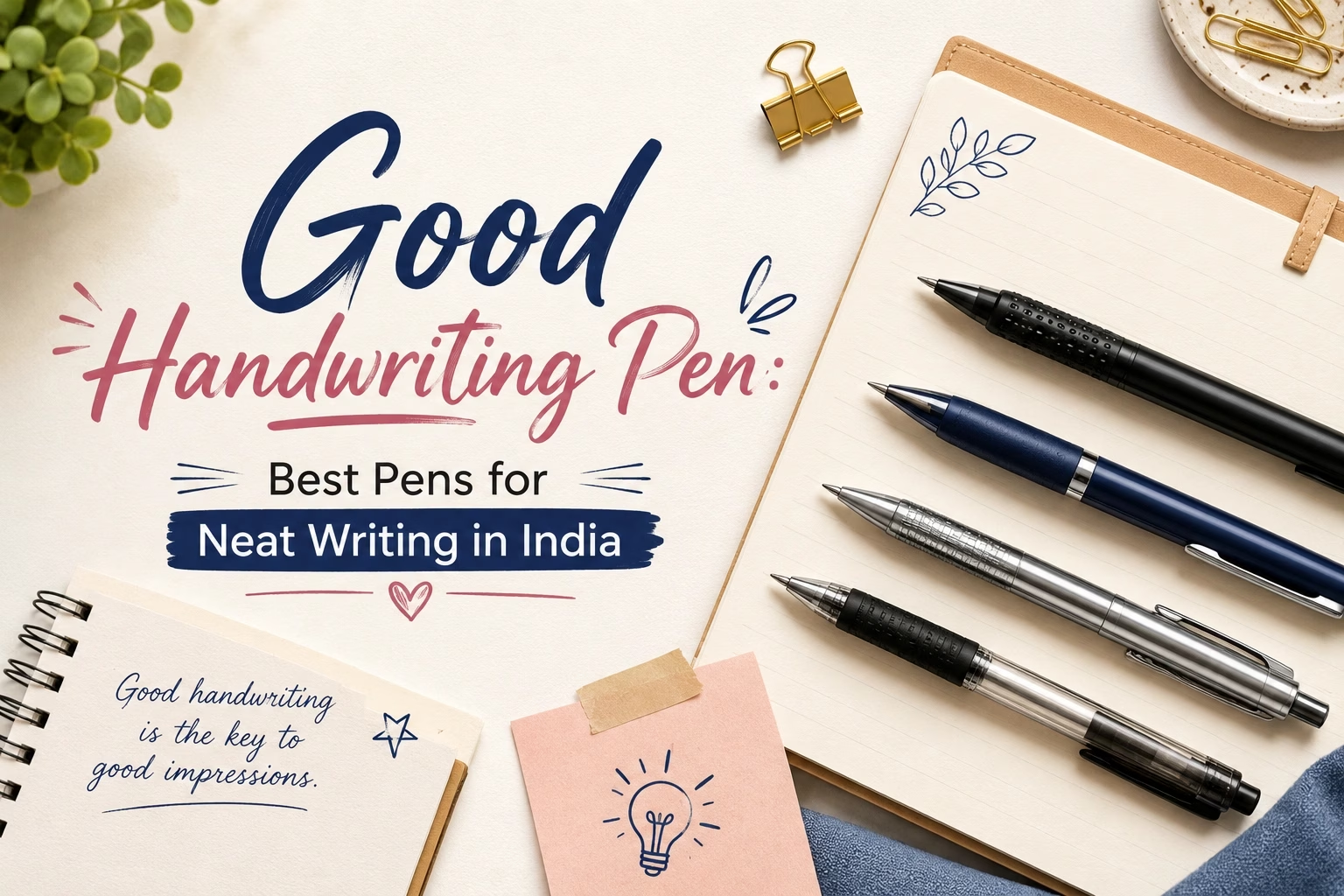
A good handwriting pen usually comes down to three things: a fine, consistent tip, ink that dries quickly without smudging, and a grip that does not tire your hand during long writing sessions. Getting these three details right matters far more than the brand name printed on the barrel.
Handwriting improves with practice, but the pen itself plays a bigger role than most people expect. A scratchy tip or inconsistent ink flow forces extra pressure and awkward strokes, which throws off even naturally neat handwriting. Picking the right tool removes one variable entirely, so the only thing left to work on is technique.
Here is what actually makes a pen good for handwriting, along with a few specific options worth trying.
What Makes a Good Handwriting Pen
A few core factors separate a pen that helps handwriting from one that works against it.
- A fine tip, usually 0.5mm, for controlled, legible strokes
- Consistent ink flow that does not skip or blob mid-word
- Quick drying ink to avoid smudging, especially for left-handed writers
- A grip that stays comfortable through long notes or exam-length writing
These four factors matter more than color options or barrel design, even though a nice design certainly does not hurt. A gel pen for good handwriting checks most of these boxes by default, which is part of why it remains such a common recommendation.
Gel Pens for Neat Handwriting
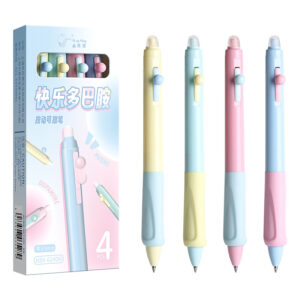
Gel pens are one of the most popular choices among the best handwriting pens, mainly because they combine smooth flow with rich, consistent color.
- A gel pen for good handwriting typically uses water-based ink that glides easily across the page, which is why it remains one of the most recommended best pens for writing daily notes
- The 0.5mm tip size is standard for neat, legible writing on regular notebook paper
- Gel ink tends to dry faster than ballpoint ink, reducing smudge risk
- Retractable designs avoid the hassle of losing a cap during quick note-taking
The MOKA Gradient Series ST Exam Pens are a solid example of this category, built specifically with an ST tip designed for fast, clean writing during exams and daily notes alike.
Ballpoint Pens Versus Gel for Handwriting
Ballpoint pens remain popular among the best pens for writing everyday notes, though they behave differently from gel options.
- Ballpoint ink is oil-based, which makes it more resistant to smudging but slightly less smooth
- These pens tend to last longer per refill compared to gel alternatives
- The tradeoff is a slightly firmer writing feel, which some people prefer for control
- Ballpoints are often the safer choice for long, single-sitting writing sessions like exams
Fineliners and Fountain Pens for Precision
For anyone chasing especially neat, controlled handwriting, fineliners and fountain pens offer a different kind of precision.
- Fineliners produce a consistent, unchanging line width regardless of pressure
- Fountain pens respond to angle and pressure, which can actually train more deliberate strokes over time
- Both require slightly more care than a standard gel or ballpoint pen
- These options work best for people who already write slowly and deliberately
Best Handwriting Pens for Students in India
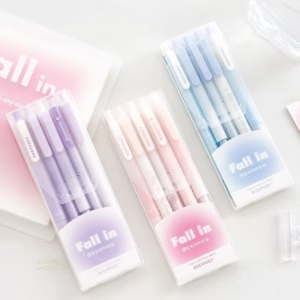
Student writing needs differ slightly from everyday journaling, mainly due to exam conditions and paper quality.
- CBSE and ICSE boards generally allow gel pens with black or blue ink
- A 0.5mm ST tip is commonly recommended for exam answer sheets, since it stays legible even under time pressure
- Quick-drying ink matters more in exams, where smudging can affect readability during evaluation
- A comfortable grip reduces fatigue during two- or three-hour exam sessions
A Floral Elegance Writing Set is a good example of a set built around exactly this kind of consistent, smooth 0.5mm tip, suited for both daily notes and longer writing stretches.
For a broader roundup of pen options built specifically for school use, our post on cute pens for school covers a few more choices worth comparing.
Neat Handwriting Pen Options for Everyday Use
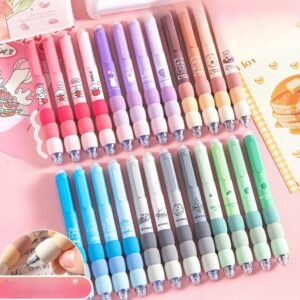
Not every good pen needs to be exam-specific. Daily journaling and note-taking benefit from slightly different qualities.
- A neat handwriting pen for daily use should feel comfortable over long, relaxed writing sessions
- Multiple color options help with color coding notes or journal entries
- A slightly softer grip works well for people who write frequently throughout the day
- Aesthetic design matters more here than in an exam-specific pen, since it is used more casually
The Kaco Aesthetic Color Gel Pen Set fits well into this category, with a fine 0.5mm tip built for precision alongside a comfortable, non-slip grip for extended writing.
Tip Size and What It Changes
Tip size affects legibility more directly than most other pen features.
- 0.5mm tips are the most common choice for neat, everyday handwriting
- 0.7mm tips write slightly bolder and can suit larger handwriting styles
- 0.38mm or finer tips work well for small, detailed writing but require a lighter hand
- Testing a tip size on your usual paper before committing to a full pen set avoids mismatched expectations
Ink Drying Speed and Smudge Prevention
Smudging is one of the most common complaints tied to handwriting quality, especially for left-handed writers.
- Quick-dry gel ink reduces smudge risk significantly compared to standard ballpoint ink
- Testing a pen by writing and immediately swiping a finger across the line shows drying speed clearly
- Left-handed writers benefit most from fast drying ink, since the hand naturally drags across fresh writing
- Avoid overly glossy or thick ink formulas if smudging has been a recurring issue
Grip and Writing Fatigue
A pen that feels good for the first few lines can still cause fatigue over a longer session.
- Rubberized or textured grips reduce strain during extended writing
- Slightly thicker barrels distribute pressure more evenly across the hand
- Lightweight pens reduce fatigue during exams or long note-taking sessions
- Testing a pen for at least a full page before buying in bulk avoids an uncomfortable surprise later
Budget Versus Premium Options
Price differences among the best handwriting pens usually reflect ink quality and build consistency rather than just branding.
- Budget pens can still perform well for occasional or light daily use
- Mid-range gel pens tend to offer the most reliable balance of price and performance
- Premium sets often include better grip ergonomics and more consistent ink flow across the whole set
- Buying a small set to test before committing to a larger stock avoids wasted spending
Quick List of Good Handwriting Pen Picks to Try
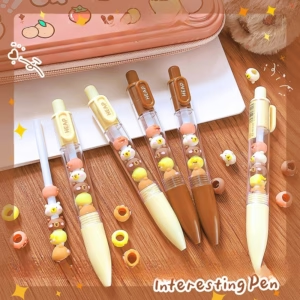
- A 0.5mm ST tip gel pen for exam writing
- A quick-dry gel pen for anyone prone to smudging
- A fine liner for slow, deliberate practice writing
- A comfortable grip gel set for daily journaling and notes
A good handwriting pen does not need to be expensive or complicated; it just needs to match tip size, ink type, and grip to how it is actually going to be used. Once the pen stops being a variable working against you, improving actual handwriting technique becomes a lot more straightforward.
For tips on the technique side of things, including posture, grip, and practice habits, our post on how to write neatly is worth a read alongside choosing the right pen.
For a wider range of pens to compare tip sizes and grip styles, the kawaii pen collection has plenty to look through.
For everything else across the store, the cute stationery homepage is worth checking out as well.
Frequently Asked Questions
What makes a pen good for handwriting?
A fine, consistent tip, quick-drying ink, and a comfortable grip are the main factors that make a good handwriting pen, more so than brand or design.
Are gel pens better than ballpoint pens for neat handwriting?
Gel pens generally offer smoother, more consistent ink flow, while ballpoint pens resist smudging better and last longer per refill. The better choice depends on writing speed and smudge sensitivity.
What tip size is best for neat handwriting?
A 0.5mm tip is the most common recommendation for legible, everyday handwriting, though finer tips suit smaller writing styles.
Which pens are best for exam writing in India?
Gel pens with a 0.5mm ST tip are commonly recommended for CBSE and ICSE exams, since they combine legibility with quick-drying ink.
How do I stop my handwriting from smudging?
Switching to a quick-dry gel ink pen and testing drying speed before use are the most effective ways to reduce smudging, especially for left-handed writers.
Shop the kawaii collection
-
Sale!
-
Sale!
 Select options This product has multiple variants. The options may be chosen on the product page
 -
Sold Out
 Select options This product has multiple variants. The options may be chosen on the product page
 -
Sold Out
 Select options This product has multiple variants. The options may be chosen on the product page
Explore More Blogs