

A diary entry format usually follows a simple structure: a date, an opening line that sets the tone, a body where the actual thoughts or events are written out, and a closing line that wraps things up. Following this loosely, rather than rigidly, keeps entries consistent without making the habit feel like homework.
Sitting down to write in a diary is often the easy part. Knowing how to start, how much to include, and especially how to close an entry is where most people get stuck. A clear diary entry format removes that hesitation, since there is already a shape to follow instead of staring at a blank page wondering where to begin or how to stop.
Here is a full breakdown of the format, with particular focus on endings, since that tends to be the part people struggle with most.
Diary Entry Format Basics

Before getting into starting and ending lines, it helps to see the format as a whole.
- Date, and optionally the day or time, at the top of the entry
- A short opening line to set the tone or mood
- The main body, covering events, thoughts, or reflections
- A closing line or two that brings the entry to a natural stop
This basic diary entry format works for both short daily entries and longer reflective ones, since the same shape simply expands or contracts based on how much there is to say. A kawaii diary with a layout that feels inviting also makes sticking to a format easier, since the physical space already feels worth returning to daily.
Diary Entry Structure for Different Entry Types
Not every entry needs the same amount of detail, and the structure can flex depending on the day.
- A quick entry might only need a date, one line, and a closing thought
- A reflective entry benefits from a slightly longer body with more specific detail
- An entry about a big event may need extra structure, like a timeline of what happened
- A gratitude style entry can follow a simple list format instead of full paragraphs
Keeping the overall diary entry structure flexible, rather than fixed, makes it easier to stick with the habit on both busy and slower days.
How to Start a Diary Entry
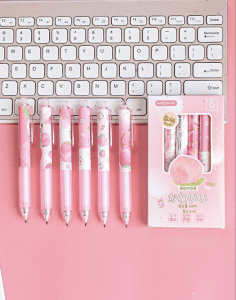
The opening line sets the tone for everything that follows, so it is worth a little attention.
- Start with the date and a one-line mood summary
- Open with a specific detail from the day rather than a generic statement
- Ask yourself a question and let the entry answer it
- Jump straight into the most important thought first if the day was overwhelming
A strong opening does not need to be clever; it just needs to get words moving onto the page.
Writing the Body of the Entry
The body is where most of the actual content lives, and it can follow a few different approaches depending on the day.
- Chronological, covering events in the order they happened
- Thematic, focused on one specific thought, feeling, or topic
- Free flowing, without much structure, for days that need unfiltered writing
- Mixed, combining a quick recap with a longer reflection on one part of the day
Diary Entry Rules Worth Following Loosely
A few simple diary entry rules help keep entries consistent without making the process feel restrictive.
- Always date the entry, even short ones, since context matters later
- Write honestly rather than editing thoughts to sound better
- Avoid skipping the closing line entirely, since it gives the entry a sense of completion
- Keep entries private enough that honesty does not feel risky
These diary entry rules work best as loose guidelines rather than strict requirements, since the goal is consistency, not perfection. For a broader look at everything that fits into a full journaling setup, Kawaii stationery items cover more ground too.
How to End a Diary Entry

Ending an entry is where most people hesitate, often because it feels like there should be a perfect final line.
- Summarize the entry in a single closing sentence
- State how you feel in this exact moment, separate from how the day felt overall
- Note one thing to carry into tomorrow, whether a task or a feeling
- Simply write “that’s all for today” style closings when nothing else feels necessary
Learning how to end diary entry writing gets easier with repetition, since a few go-to closing styles start to feel natural after enough practice.
How to End Diary Entry Writing Without Overthinking It
The pressure to find a meaningful final line often makes ending an entry harder than it needs to be.
- Permit yourself to end on an ordinary, unremarkable sentence
- Avoid rereading the whole entry before closing it out, since this often leads to overediting
- Set a rough time limit for writing so the ending arrives naturally rather than being forced
- Remember that an abrupt ending is still a valid ending
Ending Lines for Diary Entry Inspiration
Having a few ready-made ending lines for diary entry writing removes the pressure of coming up with something new every time.
- “That’s it for today.”
- “More tomorrow.”
- “Feeling okay about how today went.”
- “Something to think about before I sleep.”
- “Closing this one out here.”
These work as defaults on days when nothing more elaborate comes to mind, and they still give the entry a sense of closure. A Kawaii Message Cards pack is a nice option for anyone who likes ending an entry with a short note or letter tucked into the page.
Diary Entry Ending Styles for Different Moods
The ending format of diary entry writing can shift slightly depending on how the day actually felt.
- For a good day, end with a specific detail worth remembering
- For a hard day, end with something small that still went right
- For a neutral day, a short factual closing line works fine
- For an emotional entry, ending with a single word summarizing the feeling can work well
Matching the ending format of diary entry writing to the actual mood of the day, rather than forcing positivity, keeps entries feeling honest.
Common Mistakes With Diary Entry Endings
A few habits tend to make endings harder than necessary.
- Trying to wrap up every entry with a neat, tidy lesson learned
- Leaving entries unfinished because a satisfying ending never arrives
- Rewriting the ending multiple times instead of accepting the first honest line
- Skipping the closing altogether, which can make entries feel abruptly cut off
A Simple Diary Entry Format Template
Having a repeatable template removes guesswork on busy days.
- Date and one line mood summary
- Two to four sentences covering the main event or thought of the day
- One line reflecting on how it feels now, separate from how it felt in the moment
- A short closing line to end the entry
This diary entry format template works as a reliable fallback whenever a longer, more creative entry does not feel necessary. For anyone who likes adding a visual touch once the writing is done, our post on washi tape ideas has a few techniques worth trying.

Quick Checklist for Starting and Ending Entries
- Start with a date and a short line to set the tone
- Let the body flex in length based on how much there is to say
- Close with a simple, honest line rather than forcing a neat conclusion
- Keep a few go-to ending lines ready for days when nothing specific comes to mind
A clear diary entry format makes the whole habit easier to maintain, especially once starting and ending stop feeling like separate hurdles. Once a loose structure feels familiar, writing an entry becomes less about finding the right words and more about simply filling in a shape that already exists.
For a wider range of diaries and journal styles to pick from, the cute notebooks and journals collection has plenty to look through.
For everything else across the store, the cute stationery homepage is worth checking out as well.
Frequently Asked Questions
What is a basic diary entry format?
A simple diary entry format includes a date, a short opening line, a body covering events or thoughts, and a closing line to wrap up the entry.
How do I end a diary entry when I don't know what to write?
Using a simple ending line, like “that’s it for today,” works well when a more elaborate closing does not come to mind naturally.
What is a good ending format of diary entry writing for emotional days?
Ending with a single word that summarizes the feeling of the day tends to work well for more emotional or difficult entries.
Are there strict diary entry rules to follow?
Not really. Diary entry rules like dating the entry and writing honestly work best as loose guidelines rather than strict requirements.
Can a diary entry structure change depending on the day?
Yes, a quick entry might only need one line, while a reflective or eventful day can expand into a longer, more detailed structure.
Shop the kawaii collection
-
Sale!
-
Sale!
 Select options This product has multiple variants. The options may be chosen on the product page
 -
Sold Out
 Select options This product has multiple variants. The options may be chosen on the product page
 -
Sold Out
 Select options This product has multiple variants. The options may be chosen on the product page
Explore More Blogs