Diary writing ideas work best when they give you a starting point instead of a blank page staring back at you. A simple prompt, a small format to follow, and a habit of writing even a few lines a day turns diary writing from a chore into something you actually look forward to.
Starting a diary is easy. Sticking with it is the harder part. Most people give up not because they run out of things to say, but because they sit down, open a blank page, and freeze. Having a few reliable formats and a stack of diary writing ideas ready removes that blank page problem entirely.
Here is how to write a diary that you keep coming back to, along with a full set of diary writing ideas to borrow from.
Why Keep a Diary in the First Place
Before getting into formats and prompts, it helps to know what a diary is actually doing for you.
- It gives your thoughts somewhere to go instead of looping in your head
- It creates a record you can look back on months or years later
- It helps notice patterns in mood, habits, or recurring worries over time
- It is a private space with no audience, which makes it easier to be honest
Choosing a Diary Writing Format
Diary writing does not need to follow one fixed structure. A few common formats work well depending on your personality and schedule.
- Free writing, where you write whatever comes to mind without editing
- Structured entries with a set prompt or question answered daily
- Bullet-style diary entries, using short lines instead of full paragraphs
- A hybrid format, mixing a quick bullet list with a longer reflection once a week
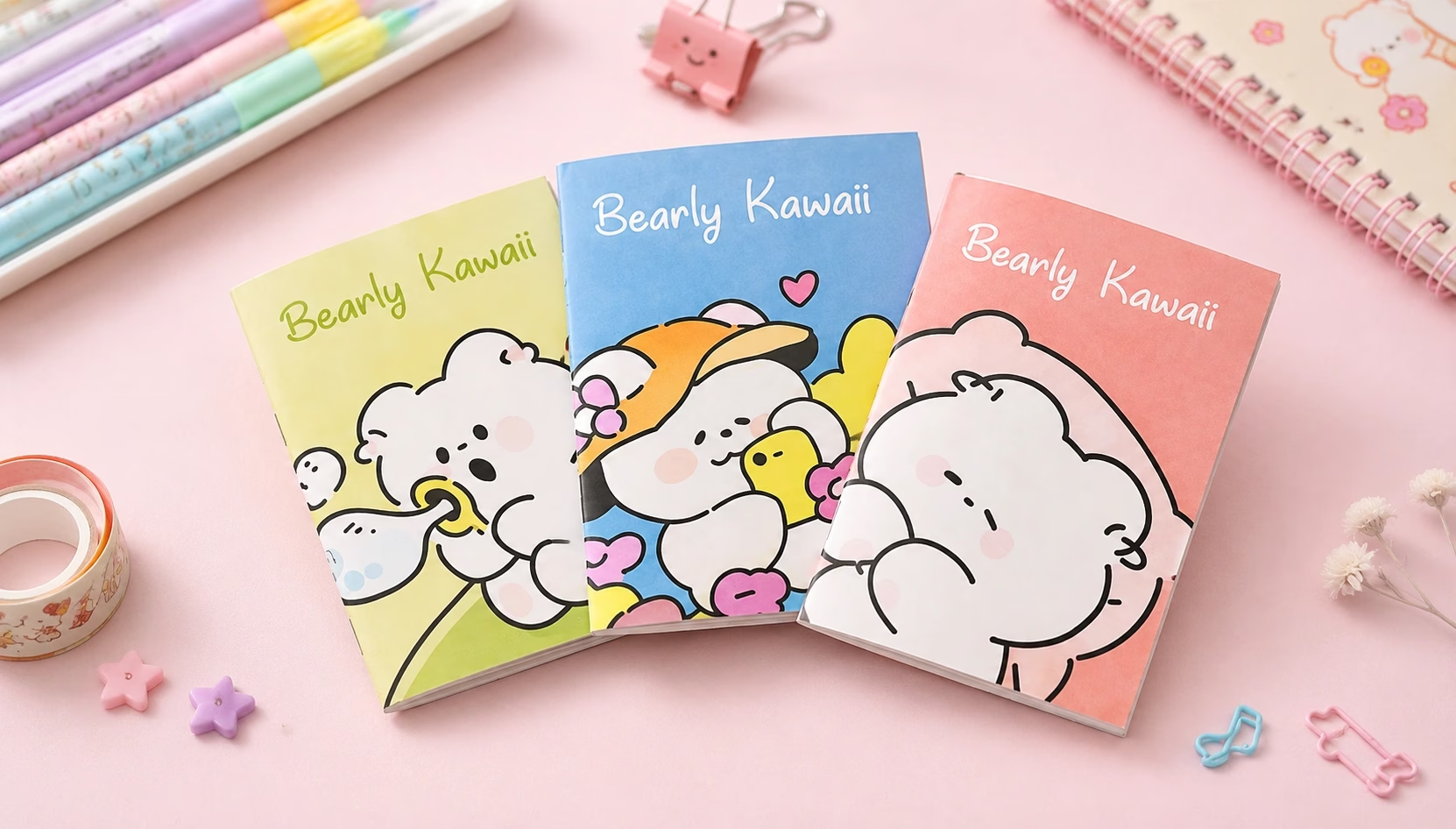
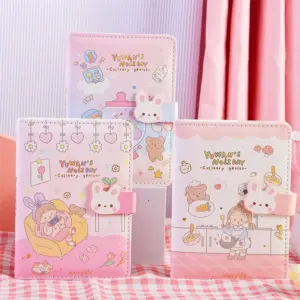
A kawaii diary with a simple layout works well for anyone who prefers structure without needing to design a system from scratch.
What to Write in a Diary on a Slow Day
Some days feel uneventful, and that is exactly when a small diary entry still has value.
- One good thing and one hard thing from the day
- A conversation that stuck with you, even a short one
- Something you noticed but did not say out loud
- A single sentence describing your mood, without needing to explain why
A small diary entry like this takes less than two minutes but still keeps the habit alive on days when energy is low.
Journal Diary Ideas for Deeper Reflection
On days when there is more to process, a slightly longer entry helps sort through thoughts properly.
- Write about a decision you are currently unsure of and list what you know so far
- Describe a memory that came up unexpectedly and why it might have surfaced
- Reflect on a goal and whether your daily actions actually match it
- Write a letter to your future self about where things stand right now
These journal diary ideas work well whenever a single line does not feel like enough to capture what happened.
Personal Diary Writing Ideas for Self-Reflection

Personal diary writing ideas work best when they focus on you specifically, rather than general daily events.
- What is something you handled well this week
- What is a fear you have not said out loud to anyone
- What would you tell a younger version of yourself right now
- What is a habit you want to build or break, and why
Creative Diary Writing Ideas Beyond Journaling
Diary writing does not have to stay purely factual or emotional. A few creative approaches keep the habit interesting.
- Write a short scene as if today were a chapter in a book
- Describe your day using only sensory details, sounds, smells, and textures
- Write a conversation you wish you had said out loud
- Try writing an entry entirely in questions instead of statements
Things to Write in Your Diary During Big Life Moments
Bigger events deserve a slightly different approach than daily entries.
- Capture the exact date, place, and small details you might forget later
- Write down how you felt in the moment, not just what happened
- Note who was there and any specific things that were said
- Come back a few weeks later and add a short reflection on how it feels in hindsight
Keeping a running list of things to write in your diary for these bigger moments means nothing important gets missed later.
Making Diary Writing a Daily Habit
Consistency matters more than length when it comes to actually keeping a diary long-term.
- Keep the diary somewhere visible instead of tucked away in a drawer
- Set a small, realistic goal like three lines a day instead of a full page
- Attach the habit to something you already do, like right before bed
- Do not skip entries just because a day feels boring, since those often matter later
Decorating and Personalizing Your Diary
For anyone who enjoys the visual side of journaling, decoration can make the habit feel more rewarding.
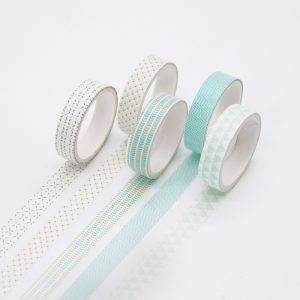
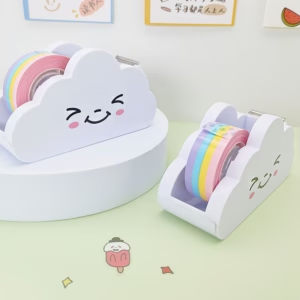
- Use washi tape ideas to mark important dates or separate sections visually
- Add small stickers or doodles next to entries that feel significant
- Use colored pens to distinguish moods, topics, or types of entries
- Keep a small pocket or pouch inside for loose photos or ticket stubs
A reliable gel pen pack makes it easier to switch colors quickly without needing to carry several separate pens.
Keeping Track of Pages and Entries
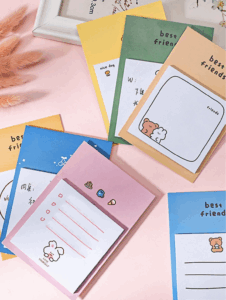
As a diary fills up, keeping it organized becomes just as important as the writing itself.
- Number pages so entries can be referenced later
- Use gradient sticky notes as page markers for entries you want to revisit
- Leave the first page as a simple index if the diary covers a long stretch of time
- Date every entry clearly, even short ones, so the timeline stays easy to follow
Quick Tips for Getting Started
- Pick one format and stick with it for at least two weeks before switching
- Keep a list of go-to diary writing ideas nearby for days when you feel stuck
- Do not worry about grammar or structure, since a diary is not meant to be edited
- Write for yourself first, since that honesty is what makes a diary useful later
How to write a diary really comes down to lowering the barrier to starting, and diary writing ideas work best when they are simple enough to use on busy days and flexible enough to expand on days when there is more to say. Once a format feels natural and a few go-to prompts are ready, diary writing becomes less about finding the right words and more about just showing up for it regularly.
For anyone setting up a full writing routine, cute pens for school cover a few pens worth pairing with daily diary writing.
For a wider range of diaries, notebooks, and journal styles to pick from, the kawaii notebooks collection has plenty to look through.
For everything else across the store, the cute stationery is worth checking out as well.
Frequently Asked Questions
What are some simple diary writing ideas for beginners?
Starting with one good thing and one hard thing from the day works well. Short, low-pressure entries are easier to keep up with than long, detailed ones.
What should I write in a diary if nothing happened that day?
A small diary entry can still cover a passing thought, a mood, or a short conversation. The goal is consistency, not eventfulness.
How is a diary different from a journal?
The two terms are often used interchangeably. A diary tends to lean toward daily personal reflection, while a journal can include prompts, planning, or creative writing alongside personal entries.
How often should I write in a diary?
Daily is ideal, but even a few times a week works if entries are consistent. Small, realistic goals tend to last longer than ambitious ones that get abandoned quickly.
What are good creative diary writing ideas if I get bored with regular entries?
Writing a scene as if the day were a book chapter or describing the day using only sensory details are simple ways to keep the habit from feeling repetitive.
Shop the kawaii collection
-
Sale!
-
Sale!
 Select options This product has multiple variants. The options may be chosen on the product page
 -
Sold Out
 Select options This product has multiple variants. The options may be chosen on the product page
 -
Sold Out
 Select options This product has multiple variants. The options may be chosen on the product page
Explore More Blogs