
Cute correction tape avoids tearing paper when the adhesive strength, tape width, and application angle are all matched to the type of paper being used. A tape that grips too hard for thin notebook paper is usually the main reason a page rips the moment someone tries to fix a mistake.
Correction tape is supposed to make fixing errors easier, not turn into its own small disaster. Anyone who has pulled up a strip of tape only to take half the page with it knows the frustration. The good news is that most tearing issues come down to a few fixable habits and a slightly better choice of tape, not bad luck.
Here is what actually helps avoid the problem.
Why does correction tape tear paper
Tearing usually happens for a few specific reasons rather than random bad luck.
- The adhesive is too strong for thin or low-quality paper
- The tape is pulled at a steep angle instead of staying flat against the page
- The dispenser applies pressure unevenly, causing the tape to grip in patches instead of smoothly
- Old or worn-out tape dispensers tend to drag rather than roll cleanly across the surface
Knowing which of these is happening makes it much easier to fix the actual issue instead of just switching brands at random.
Cute Correction Tape and Application Technique
How the tape is applied matters just as much as the tape itself.
- Keep the dispenser flat against the page instead of angling it upward while pulling
- Apply light, even pressure rather than pressing down hard
- Pull slowly rather than yanking, especially near the end of a strip
- Tear the tape off cleanly using the built-in cutter instead of ripping it by hand
A little care during application prevents most of the tearing that people usually blame on the tape itself.
Choosing the Right Tape Width
Width affects both control and how much surface area risks catching on the paper.
- Narrow tape works better for small errors and reduces the amount of adhesive touching the page
- Wider tape covers mistakes faster, but increases the chance of uneven pressure while applying
- A medium width tends to work best for everyday notebook use without needing much precision
Kokuyo Correction Tape and Similar Refillable Designs
Refillable tape systems tend to offer more consistent quality over time.
- Kokuyo correction tape is known for a smoother glide and lower tearing risk on regular paper
- Refillable designs let you replace just the tape roll instead of the whole dispenser
- A well-maintained refillable tape often performs better long-term than cheaper disposable versions
Pentel Correction Tape and Compact Options
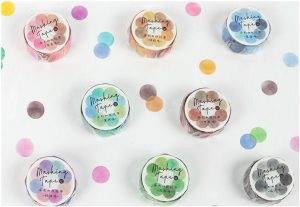
Compact tape designs are popular for students who need something small enough to carry daily.
- Pentel correction tape is a common pick for slim, pocket-sized dispensers
- Compact designs are convenient, but can sometimes use thinner internal mechanisms that wear out faster
- Checking the roll length before buying helps avoid running out mid-semester
Correction Tape Versus Correction Fluid
Tape and fluid solve the same problem differently, and picking the right one depends on the paper.
- Tape works better on thin paper since there is no wet drying time involved
- Fluid can work well on thicker cardstock, but it risks smudging on regular notebook pages
- Tape is generally the safer default choice for everyday schoolwork and journaling
Dispenser Care and Maintenance
A tape dispenser that is not maintained properly is a common hidden cause of tearing.
- Keep the tip clean and free of paper fibers or dust buildup
- Store it flat rather than upright to avoid pressure on the internal spool
- Replace the tape roll before it runs completely low, since the last stretch often applies unevenly
Correction Tape for Journaling and Planners
Beyond schoolwork, correction tape has become a regular part of journaling and planner setups.
- A cute, patterned dispenser makes it feel less like a purely functional tool and more part of the aesthetic
- Thin application works well for covering small handwriting slips without disturbing nearby decoration
- Pairing tape color and pattern with the rest of a planner spread keeps pages looking intentional rather than patched up
Since journaling often involves multiple pens and washi tape strips at once, keeping everything paired with a matching gel pen pack makes touch-ups blend in more smoothly with the rest of the page.
Common Mistakes That Cause Tearing
A few habits are responsible for most tearing complaints, even with a decent-quality tape.
- Applying tape over a crease or fold, where the paper is already weaker
- Reusing a dispenser with a worn or bent tip that no longer sits flat
- Trying to remove a strip once it has already been applied, which almost always damages the page
Avoiding these three habits alone solves the majority of tearing issues people run into.
Storing Correction Tape Long Term

A few simple habits help correction tape last longer between uses.
- Keep spare rolls in a cool, dry spot away from direct sunlight
- Store the dispenser inside a pencil case rather than loose in a bag, where pressure can damage the tip
- Label spare rolls by brand if switching between different tape types regularly
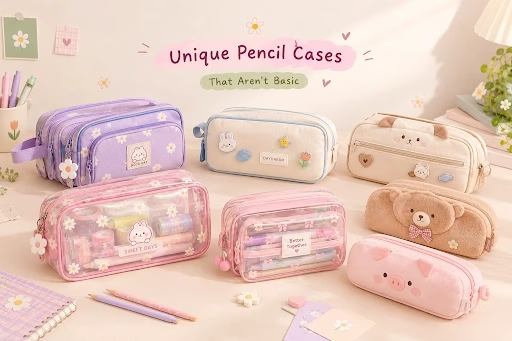
A Cute Pencil Case with a dedicated slot keeps a correction tape dispenser protected from getting crushed alongside pens and erasers.
Budget and Everyday Use
Price differences between correction tape options usually reflect adhesive quality and mechanism durability.
- Lower-priced tape often works fine for occasional, light use
- Mid-range refillable options balance cost with more consistent performance
- Frequent users, like students correcting notes daily, tend to benefit more from a slightly higher quality tape
Cute correction tape does not need to come with the tradeoff of ripped pages once a few basic habits are in place. Matching the tape width and adhesive strength to the paper, applying it flat and evenly, and keeping the dispenser clean solves most tearing problems before they start.
For anyone building out a full stationery kit alongside a reliable correction tape, cute pens for school covers a few options worth pairing with it.
A Desk Organiser is a simple way to keep correction tape, pens, and other small tools sorted so nothing gets misplaced during a busy study session.
For everyday supplies at a lower price point, stationery under 199 has a good range of budget-friendly picks worth browsing.
Frequently Asked Questions
Why does correction tape sometimes tear notebook paper?
It usually happens when the adhesive is too strong for thin paper, or when the tape is applied at an angle instead of flat against the page.
What is the difference between Kokuyo and Pentel correction tape?
Kokuyo correction tape is known for a smoother glide on regular paper, while Pentel correction tape is popular for slim, compact dispensers that are easy to carry daily.
Is correction tape better than correction fluid?
For everyday notebook paper, tape is usually safer since there is no wet drying time involved, which reduces the risk of smudging.
How can I stop my correction tape from tearing pages?
Keep the dispenser flat, apply light and even pressure, and pull slowly instead of yanking the strip off quickly.
How should correction tape be stored to last longer?
Keep spare rolls in a cool, dry place and store the dispenser inside a pencil case rather than loose in a bag, where pressure can damage the tip.
Shop the kawaii collection
-
Sale!
-
Sale!
Select options This product has multiple variants. The options may be chosen on the product page
-
Sold Out
 Select options This product has multiple variants. The options may be chosen on the product page
-
Sold Out
 Select options This product has multiple variants. The options may be chosen on the product page
Explore More Blogs