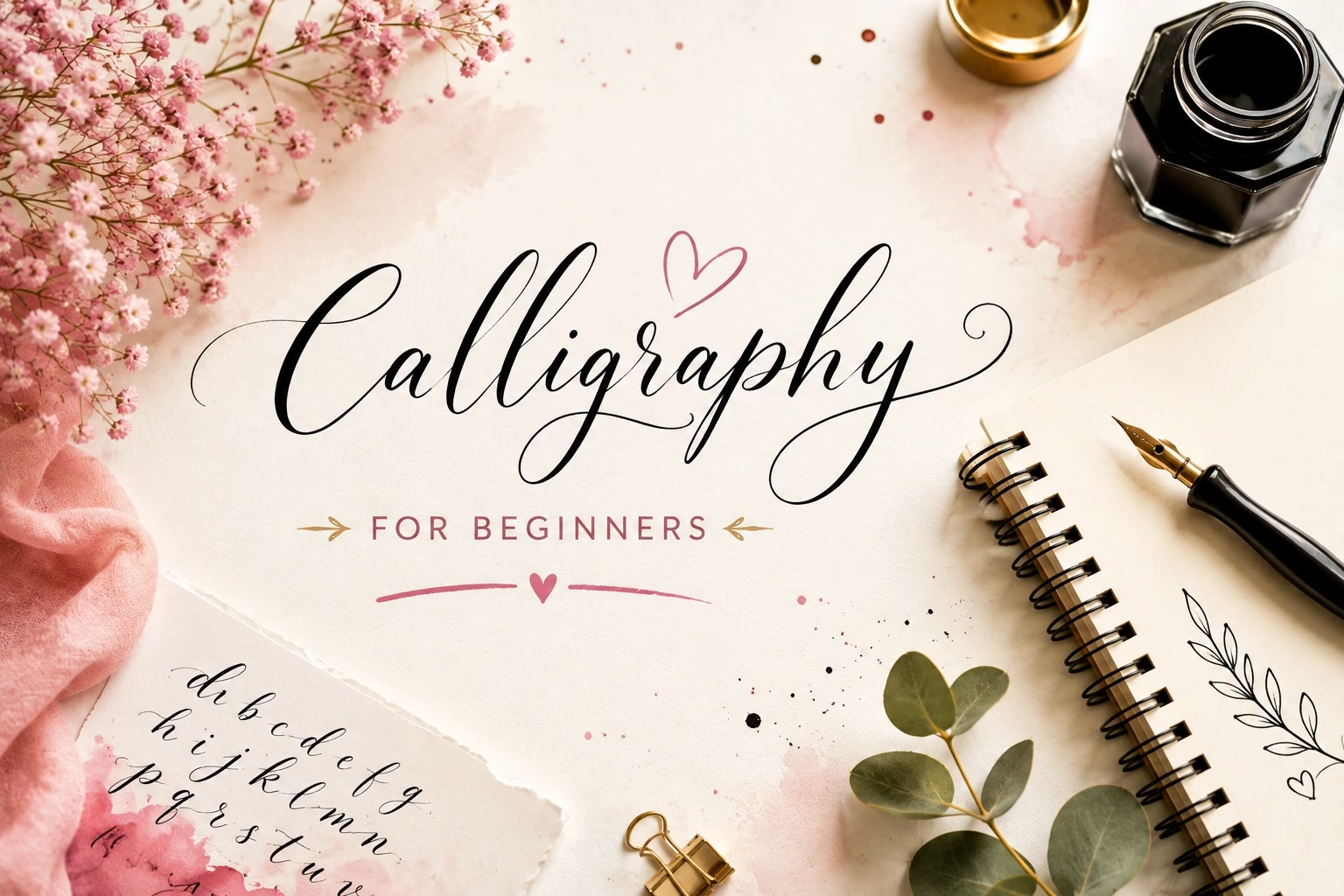
Calligraphy words in English are easiest to start with when they are short, have a mix of straight and curved letters, and mean something worth writing more than once. Words like “hope,” “bloom,” or “gentle” give beginners enough letterforms to practice without the frustration of a long phrase falling apart halfway through.
Picking up calligraphy as a new hobby usually comes with one immediate question: what do I actually write? Technique tutorials explain how to hold a pen and control pressure, but very few give an actual list of words worth practicing. Having a ready set of calligraphy words in English on hand makes it much easier to sit down and start rather than staring at a blank page trying to think of something.
Here is a full set of words organized by purpose, along with a few practice and display tips.
Short Easy Calligraphy Words to Start With
Short words are the best starting point since they let beginners focus on individual letterforms without managing a long baseline.
- Joy
- Hope
- Calm
- Bloom
- Trust
- Grace
- Shine
- Grow
Easy calligraphy words like these usually take under a minute to write, which makes them perfect for warming up before a longer practice session.
Calligraphy Practice Words for Letter Combinations
Once single letters feel comfortable, practicing letter combinations helps with consistency across a full word.
- Gentle
- Whisper
- Wander
- Blossom
- Serene
- Flourish
- Cherish
- Wonder
These calligraphy practice words include ascenders, descenders, and loops together, which is closer to what a full sentence eventually requires.
Short Calligraphy Words for Quick Projects
Short calligraphy words work well for smaller display pieces, like bookmarks, tags, or card fronts, where a long phrase would not fit comfortably.
- Love
- Peace
- Dream
- Faith
- Kind
- Brave
- Free
- Home
Inspirational Words Worth Practicing
Beyond just technique, inspirational single words are popular for wall art and journal pages because they carry meaning on their own without needing a full sentence.
- Believe
- Breathe
- Create
- Explore
- Thrive
- Empower
- Radiate
- Persist
Calligraphy Words for Beginners to Frame or Display
Certain words are especially popular once a piece is finished and ready to be displayed rather than just practiced.
- Welcome
- Family
- Together
- Gather
- Cherished
- Beloved
- Sanctuary
- Haven
Calligraphy words for beginners to display often work best printed on slightly thicker paper or cardstock, since it holds up better once framed or pinned to a board.
Seasonal and Nature Themed Words
Rotating word choices seasonally keeps practice sessions feeling fresh rather than repetitive.
- Bloom, sunshine, and meadow for spring
- Breeze, tide, and citrus for summer
- Harvest, amber, and rustle for autumn
- Frost, hush, and ember for winter
Words for Greeting Cards and Gifts
Calligraphy pairs especially well with handmade cards, since a single well-written word can carry the whole design.
- Congratulations
- Celebrate
- Thankful
- Wishes
- Blessed
- Delight
Getting Started With the Right Tools
A calligraphy hobby does not require an expensive setup to begin, though a few basic tools make practice smoother.
- A brush pen or dual-tip marker for beginners, since it is more forgiving than a dip pen
- Smooth, slightly thicker paper that resists ink bleed-through
- A pencil for light guidelines before committing to ink
- A ruler for keeping practice lines even while learning
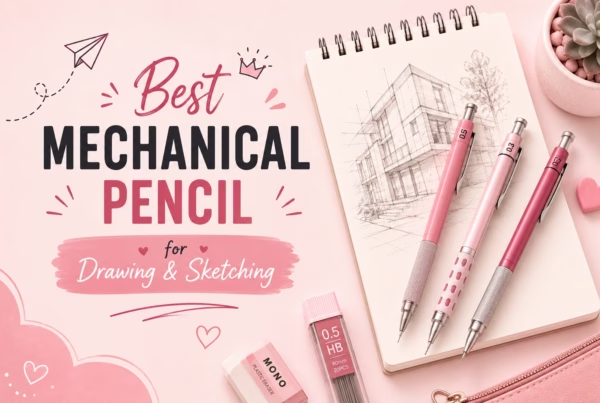
A Kaco Aesthetic Color Gel Pen Set works well for early calligraphy accents, since the fine tip allows for light pressure control before moving on to dedicated brush pens.
For more on choosing the right pen for this kind of practice, our post on different types of pens covers brush and calligraphy pens in more detail.
Practice Techniques That Actually Help
A calligraphy hobby improves fastest with a few consistent habits rather than random practice.
- Trace printed guide sheets before attempting freehand letters
- Practice individual strokes before combining them into full letters
- Repeat the same word several times in a row rather than moving on too quickly
- Slow down deliberately, since speed comes naturally with practice over time
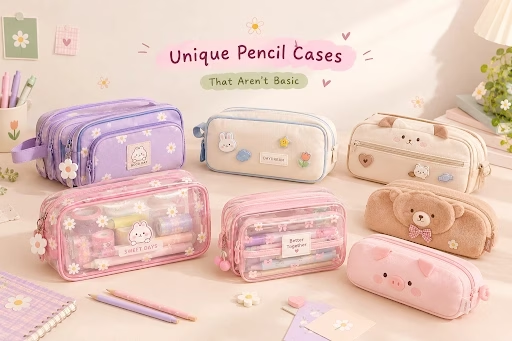
A well-organized Cute Pencil Case keeps brush pens and fine-tip markers protected between practice sessions, especially since nib tips can bend if left loose in a bag.
Displaying Finished Calligraphy Pieces
Once a word or phrase feels polished, displaying it properly makes the practice feel worthwhile.
- Frame smaller pieces or pin them to a cork board near a desk
- Use finished words as bookmarks or tucked into journal pages
- Turn a favorite word into a handmade greeting card front
- Photograph pieces for a personal collection before framing the originals
Common Mistakes Beginners Make
A few recurring issues tend to show up early in a calligraphy hobby.
- Starting with long phrases before mastering individual letters
- Pressing too hard on upstrokes, which should stay thin and light
- Skipping guideline sheets and writing directly freehand too soon
- Switching pen types too frequently instead of building consistency with one
Building a Simple Weekly Practice Routine
Consistency matters more than long practice sessions when building calligraphy skill over time.
- Set aside ten to fifteen minutes a few times a week rather than one long session
- Rotate through short easy calligraphy words, letter combinations, and full display pieces across the week
- Keep a practice notebook separate from finished pieces so progress stays easy to track
- Revisit early practice pages after a month to see how much control has improved

A steady practice routine, even a short one, tends to build calligraphy hobby skills faster than occasional long sessions spaced far apart. For anyone looking to build a full set alongside this kind of practice, a gel pen pack works well for lettering styles that do not require a dedicated calligraphy nib.
Quick List of Calligraphy Words in English to Try Today
- Joy, hope, and bloom for a first warm-up
- Gentle, whisper, and flourish for letter combination practice
- Believe and thrive for a small framed piece
- Welcome and together for a piece meant to be displayed at home
Calligraphy words in English give beginners a practical starting point that technique tutorials alone usually skip. Once a handful of favorite words feel comfortable to write, moving from practice sheets to finished, displayed pieces becomes a natural next step rather than a big jump.
For a wider range of pens suited to lettering and everyday writing, the kawaii pen collection has plenty to look through.
For everything else across the store, the cute stationery homepage is worth checking out as well.
Frequently Asked Questions
What are some easy calligraphy words for a beginner to start with?
Short words like joy, hope, bloom, or calm are easy calligraphy words that work well for a first attempt, since they involve fewer letterforms to manage at once.
How many calligraphy practice words should I write in one session?
Repeating three or four calligraphy practice words several times each tends to build more consistency than trying many different words once.
What are good short calligraphy words for small projects like bookmarks?
Words like love, peace, dream, or home fit well on small display pieces since they are short enough to stay legible at a smaller size.
Is calligraphy an expensive hobby to start?
Not necessarily. A calligraphy hobby can start with just one brush pen and a stack of practice paper before investing in more specialized tools.
What calligraphy words for beginners work well for framing?
Words like welcome, together, or believe are popular calligraphy words for beginners to frame, since they read well as standalone pieces without needing extra context.
Shop the kawaii collection
-
Sale!
-
Sale!
 Select options This product has multiple variants. The options may be chosen on the product page
-
Sold Out
 Select options This product has multiple variants. The options may be chosen on the product page
-
Sold Out
 Select options This product has multiple variants. The options may be chosen on the product page
Explore More Blogs