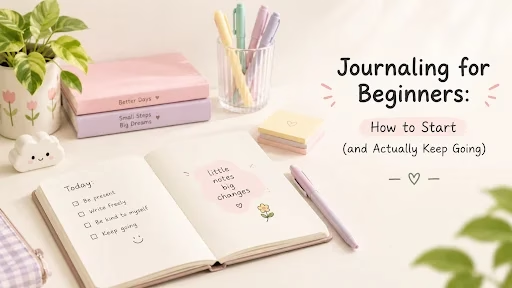
Journaling for beginners usually goes wrong not because of a lack of interest, but because the habit gets built around perfect entries instead of simply showing up with a pen and a few honest lines.
Why Most People Quit Journaling Early
A lot of people start journaling with enthusiasm and stop within a few weeks. It’s rarely about losing interest in the idea itself.
- Entries feel forced when there’s pressure to write something meaningful every time
- Missing a few days makes people feel like they’ve already failed at the habit
- Blank page anxiety kicks in when there’s no clear structure to follow
- The notebook itself starts to feel like a chore instead of something enjoyable to open
Understanding why the habit usually breaks down is the first real step in journaling for beginners, since most solutions come from fixing these specific points rather than trying harder in general.
How to Start a Journal Without Overthinking It

How to start a journal is usually less complicated than people expect. The habit doesn’t need rules, themes, or a specific format to be worth doing.
- Pick a notebook that feels good to write in; size and paper quality matter more than design
- Start with short entries; even two or three lines count as a real entry
- Write about your actual day rather than trying to sound reflective or profound
- Keep the notebook somewhere visible; out of sight usually means out of habit
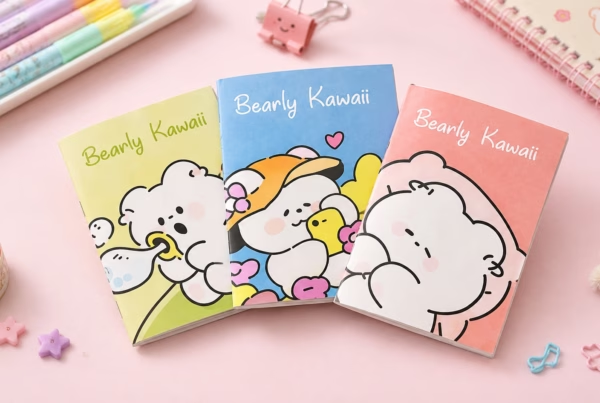
If you’re picking your first notebook, something simple and not too precious works best early on. A Cute Mini Notebook is a good starting option, since its smaller size makes short daily entries feel natural instead of pressuring you to fill a full page every time.
Journaling Tips for Beginners That Actually Help
Once the notebook is sorted, a few small habits make the process easier to stick with long-term.
- Write at the same time each day; even five minutes tied to an existing routine works well
- Don’t reread old entries too often early on; it can make you self-conscious about future ones
- Skip days without guilt; missing an entry doesn’t mean starting over
- Keep a pen nearby that you actually enjoy writing with; this removes one small barrier to starting
These journaling tips for beginners work because they lower the effort needed to begin, which is usually the biggest hurdle rather than motivation itself. A smooth-writing pen genuinely helps here. Something like Aesthetic Pens makes the physical act of writing feel less like a task, which matters more than it sounds like it should.
Building a Daily Journaling Habit That Sticks
A daily journaling habit isn’t really about writing every single day without exception. It’s about making the habit easy enough that missing a day doesn’t derail the whole thing.
- Tie journaling to an existing routine, like right after waking up or before bed
- Keep entries short on busy days instead of skipping entirely
- Track streaks loosely, without turning it into pressure or guilt
- Allow the format to change over time; some days will be longer than others
This flexible approach to a daily journaling habit tends to last far longer than rigid daily writing goals, mainly because it removes the all-or-nothing thinking that usually kills the habit within a month.
What to Actually Write About as a Beginner
One of the biggest blocks in journaling for beginners is simply not knowing what to write. A few reliable starting points help remove that uncertainty.
- One good thing and one difficult thing from the day
- A short list of what you’re currently looking forward to
- A small observation about something you noticed that day
- A quick note on how you’re feeling, without needing to explain it fully
None of these need to be elaborate. The goal early on is consistency, not depth; depth tends to come naturally once the habit itself is established.
Making Journaling Feel Less Like a Task
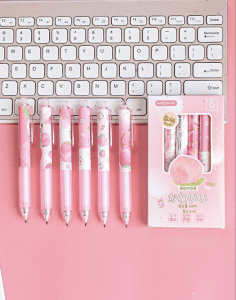
For a lot of beginners, journaling sticks better once it feels like a small personal ritual rather than an obligation.
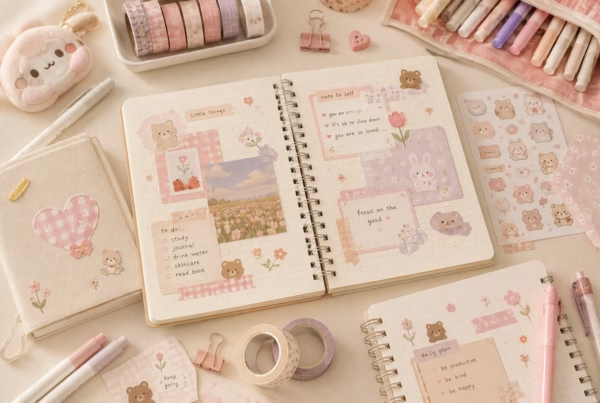
- Add small decorative touches, like stickers or washi tape, to make pages feel personal
- Use a notebook you actually like the look of; this makes a small difference in wanting to open it
- Pair journaling with a comforting routine, like tea or quiet time before bed
- Avoid comparing your journal to aesthetic examples online; those are curated, not typical
If decorating pages sounds appealing, notebook diary decoration ideas cover simple ways to personalize journal pages without needing any real art skills, which pairs well once the basic habit is already in place.
Choosing the Right Format for Your Journal
Not every beginner needs the same journaling style, and it’s worth figuring out what actually suits your routine instead of copying a specific method.
- Free writing: No structure, just writing whatever comes to mind
- Prompted journaling: Using a set question or theme each day to guide entries
- Bullet-style tracking: Short notes, lists, or mood tracking instead of full sentences
- Gratitude-focused entries: A few lines each day on specific things you’re grateful for
If you’re unsure how to actually structure entries once you’ve started, diary writing ideas goes into different formats and starting prompts that work well for people still figuring out what style suits them.
Keeping the Habit Going Past the First Month
The first month of any new habit is usually the hardest, and journaling is no exception. A few things help beyond that early stage.
- Switch up prompts occasionally if entries start feeling repetitive
- Revisit older entries every few months, not daily, to notice patterns over time
- Keep a backup notebook ready so running out doesn’t interrupt the habit
- Allow the journal to evolve, from daily logs to more reflective writing, or the reverse
If you’re building out a full journaling setup rather than just a notebook, browsing a broader kawaii diary selection can help you find something that fits your specific style, whether that’s structured planning pages or blank space for free writing.
For anyone just getting into stationery as part of this habit, starting from a wider Cute stationery selection makes it easier to build a small kit around journaling instead of buying items separately as you go.
Quick Tips
A few extra things that help once journaling for beginners turns into an actual habit:
- Number your journals as you finish them; it makes revisiting old entries by date much easier later
- Keep a small index page at the front of longer journals to track key entries or dates
- If you fall out of the habit for a while, restart with short entries rather than trying to jump back into long ones immediately
- Store finished journals somewhere safe rather than tucked away and forgotten; they’re worth revisiting occasionally
- Avoid buying a large or expensive journal as your very first one; a simple option removes pressure to “get it right” early on
Frequently Asked Questions
What's the easiest way to start journaling for beginners?
The easiest way to start journaling for beginners is to write short, simple entries without worrying about structure or format. Picking a notebook you actually enjoy using and writing just a few lines a day is usually enough to build the habit.
How do I know how to start a journal if I don't know what to write?
Starting with small prompts, like one good thing and one hard thing from the day, removes the pressure of needing something meaningful to say. Over time, entries naturally become easier once the habit itself feels familiar.
What are some journaling tips for beginners who keep forgetting to write?
Tying journaling to an existing daily routine, like right before bed, makes it easier to remember consistently. Keeping the notebook somewhere visible also helps, since an out-of-sight journal is easy to forget about.
How long does it take to build a daily journaling habit?
A daily journaling habit usually starts to feel natural after a few consistent weeks, though this varies by person. Allowing some flexibility, like shorter entries on busy days, tends to help the habit last longer than strict daily goals.
What if I miss several days of journaling as a beginner?
Missing days is completely normal and doesn’t mean starting over. If you’re looking for structure to ease back in, diary entry format breaks down a simple way to begin, write, and close an entry, which can help restart the habit without overthinking it.
Shop the kawaii collection
-
Sale!
-
Sale!
 Select options This product has multiple variants. The options may be chosen on the product page
 -
Sold Out
Select options This product has multiple variants. The options may be chosen on the product page
-
Sold Out
Select options This product has multiple variants. The options may be chosen on the product page


Explore More Blogs