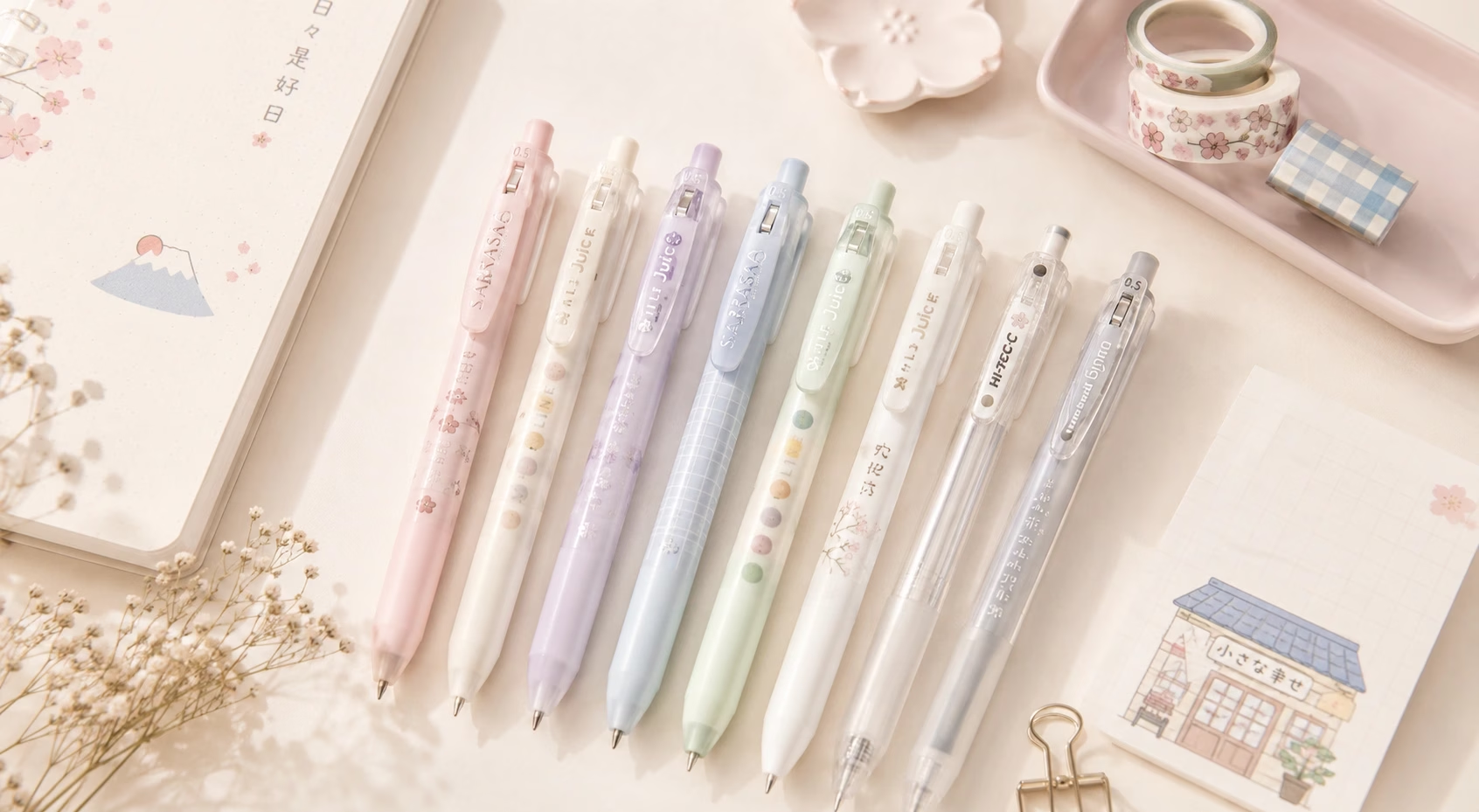
Japanese gel pens are worth trying because the ink flow and tip precision solve problems most students don’t even realize they’re dealing with, like skipping mid-sentence or ink that dries patchy on cheap paper.
Anyone who’s filled a notebook with a pen that drags, skips, or bleeds through the page knows how much that slows down actual note-taking. It’s not just about handwriting looking nicer. A pen that keeps interrupting your train of thought mid-sentence genuinely makes studying harder than it needs to be.
Why Japanese Gel Pens Write Differently
The reputation around Japanese gel pens isn’t just marketing. A few real design choices set them apart from generic gel pens:
- Finer, more consistent tip sizes, often 0.4mm or 0.5mm
- Ink formulated to dry faster, which reduces smudging for left-handed writers especially
- Smoother ink flow that doesn’t require pressing hard to get consistent lines
- Lightweight barrels designed for long writing sessions without hand fatigue
This is really the core reason Japanese gel pens have such a loyal following among students and journaling communities. It’s less about the aesthetic and more about how much less friction there is between the idea in your head and the words on the page.
What Makes a Japanese Ink Pen Worth Switching To
A good Japanese ink pen tends to solve a specific, annoying problem: ink that either dries too slowly and smudges, or dries so fast it feels scratchy. Getting that balance right is harder than it sounds, which is part of why the better options stand out so clearly once you’ve tried one.
Things worth checking before switching:
- Whether the ink is water-based or oil-based, since this affects both smoothness and smudge resistance
- Tip size relative to your usual handwriting size; smaller tips suit dense notes better
- Grip comfort, especially if you’re writing for long stretches during exams
- Color consistency across the pen’s lifespan, since some ink formulas fade unevenly near the end
For anyone building out a full pen collection rather than buying one at a time, a Cute bear stationery combo set is a practical way to test a few tip sizes and colors together before committing to a single favorite.
Choosing a Japanese Writing Pen for Daily Notes
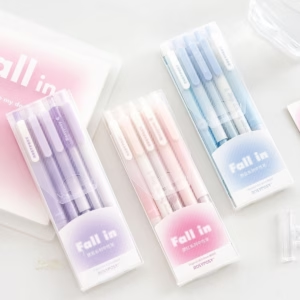
A Japanese writing pen used for daily class notes has different demands than one used occasionally for journaling. It needs to survive being uncapped and recapped dozens of times a day, tossed into a pencil case, and still write cleanly on the first try every time.
For that kind of everyday use, a few things matter more than color or design:
- A cap that clicks securely so ink doesn’t dry out between uses
- A barrel shape that doesn’t roll off a tilted desk
- Ink that holds up through highlighter overlay without smearing
- A comfortable grip zone for pens used for hours at a stretch
A gel pen pack with a few different shades in one set is a solid way to cover both note-taking and light color coding without needing to carry multiple separate pens.
Building a Pen Case Around Japanese Gel Pens
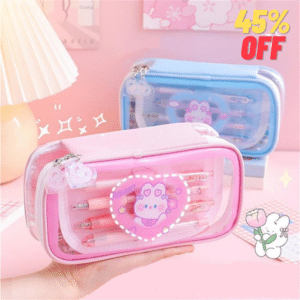
Once you’ve settled on a few pens worth keeping, where they live matters almost as much as the pens themselves. A pen case that’s too small leads to caps getting lost or nibs getting crushed against other items.
A Cute Pencil Case with enough structure to keep pens upright and separated makes a real difference over time, especially for anyone carrying six or seven pens between classes.
If your pen collection has grown past what one case can hold, it’s worth browsing the full kawaii pen range to see storage and organizing options built specifically around larger collections rather than squeezing everything into one pouch.
When to Retire a Pen and Try Something New
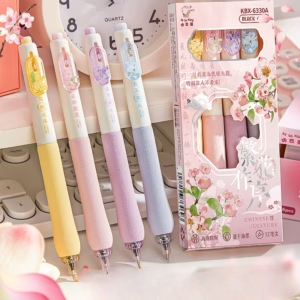
Japanese gel pens, like any pen, eventually reach a point where switching makes more sense than pushing through. A pen that’s started skipping consistently, feels scratchy compared to when it was new, or has visibly faded color is usually past the point worth troubleshooting.
Rotating in a new pen occasionally isn’t wasteful; it’s often what keeps note-taking feeling fresh instead of like a chore. If you’ve been eyeing floral or patterned designs, something like Floral gel pen options can be a nice way to reset that habit without straying from the smooth-writing qualities that made you switch to Japanese-style pens in the first place.
Quick Tips for Choosing the Right Pen
- Test on the actual paper you’ll use most, since ink behavior changes a lot between glossy and matte notebook pages.
- Buy one pen before committing to a full set, even if it costs slightly more per unit upfront.
- Store pens horizontally rather than upright for long periods, since this helps keep ink flow even.
- Keep a spare pen in your bag separate from your main pencil case, so a dried-out cap mid-class doesn’t derail your notes.
- Rotate colors seasonally rather than buying every shade at once; it keeps the collection from feeling cluttered.
Frequently Asked Questions
What makes Japanese gel pens different from regular gel pens?
The main differences are tip precision and ink formulation, which together create a smoother, more consistent writing experience. Many students notice less hand fatigue during long writing sessions compared to standard gel pens.
Is a Japanese ink pen better for left-handed writers?
Often yes, since many are formulated to dry faster and reduce smudging, which matters more for left-handed writers who drag their hand across fresh ink. It’s still worth testing individual pens, since ink drying speed can vary between models.
What tip size should I look for in a Japanese writing pen?
0.5mm is a solid all-purpose choice for most handwriting styles, while 0.4mm suits smaller, denser note-taking. Testing both is the easiest way to figure out which feels more natural for your grip and pace.
Do Japanese gel pens work well for both class notes and journaling?
Yes, though the ideal pen might differ slightly for each. Note-taking benefits from faster-drying ink and a comfortable long-session grip, while journaling often leans toward finer tips for detail work.
How long do Japanese gel pens usually last?
It depends on how often they’re used, but consistent daily writers often go through one pen every few weeks to a couple of months. Fading color or increased scratchiness are usually the signals it’s time to switch.
. Are Japanese gel pens worth the price difference compared to regular ones?
For frequent writers, most find the smoother ink flow and reduced hand fatigue worth it over time. For occasional use, a mid-range option is often enough without needing the most premium pick available.
Shop the kawaii collection
-
Sale!
-
Sale!
 Select options This product has multiple variants. The options may be chosen on the product page
 -
Sold Out
 Select options This product has multiple variants. The options may be chosen on the product page
 -
Sold Out
 Select options This product has multiple variants. The options may be chosen on the product page
Explore More Blogs