
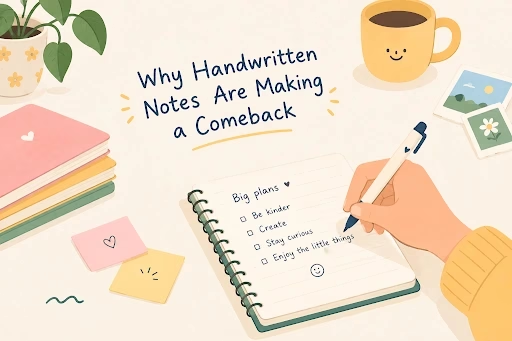
Handwritten notes are making a comeback because people are realizing that writing by hand helps you remember more, focus better, and disconnect from screens in a way typing just doesn’t.
The Shift Back to Pen and Paper
For a while, everything moved toward typing. Laptops in lectures, note apps on phones, cloud-based to-do lists. But a lot of students and young adults have started moving back toward physical notebooks, and it’s not just a nostalgia thing.
- Typing notes often means transcribing word for word without actually processing the information
- Handwriting forces you to summarize and rephrase, which helps the material stick
- Physical notebooks don’t come with notifications pulling your attention away mid-thought
- There’s something satisfying about flipping through pages instead of scrolling through folders
If you’ve been meaning to start this shift yourself, it usually starts with picking the right notebook rather than forcing yourself to write in whatever’s lying around. Browsing through Aesthetic Notebooks is a good starting point if you want something that actually makes you want to open it daily.
Why Handwritten Notes Help You Remember More
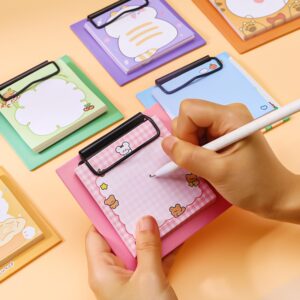
This isn’t just a feeling; it’s backed by how the brain processes information differently when writing versus typing.
- Writing by hand is slower, so your brain has to prioritize and condense information in real time
- This condensing process is part of why handwritten notes stick better than typed ones
- Typing tends to be closer to transcription, since it’s fast enough to copy things word for word without engaging with the content
- The physical act of forming letters also seems to reinforce memory in a way that tapping keys doesn’t
Students preparing for exams often notice this firsthand. Two people can attend the same lecture, one typing every word and one writing a condensed version by hand, and the one who wrote by hand often recalls the material better later.
Notebook Handwriting and Personal Style
There’s also a personal side to this shift that doesn’t get talked about enough. Notebook handwriting isn’t just functional; it’s become a form of self-expression for a lot of people.
- Some people use color-coded pens to organize different subjects or topics
- Others focus on neat, aesthetic layouts that make revising feel less like a chore
- Handwriting style itself becomes something people take pride in over time, almost like a small skill they’re building
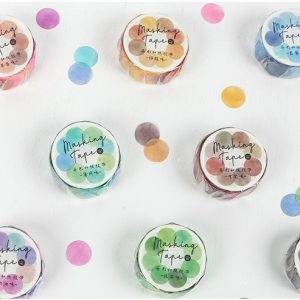
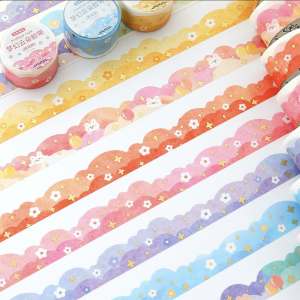
- Decorating notebooks with stickers, washi tape, or bullet journal layouts adds a creative outlet to something as routine as note-taking
If this side of handwritten notes appeals to you, a kawaii diary style notebook works well since it leaves room for both structured notes and some personal decoration on the side.
Digital Fatigue Is a Real Reason Behind This Trend
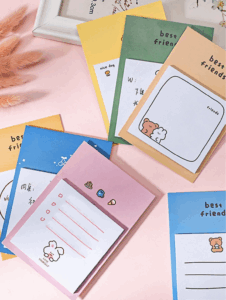
A big part of why handwritten notes are coming back isn’t really about notebooks at all; it’s about screen time.
- Most people already spend hours on screens for classes, work, or just scrolling
- Writing by hand gives your eyes and mind a break from backlit screens
- It removes the temptation to switch tabs or check notifications mid-task
- For some people, it’s simply the only part of their day that doesn’t involve a device
This is part of why journaling and analog planning have grown alongside handwritten note-taking specifically. People aren’t rejecting technology entirely; they’re just carving out pockets of their day that stay screen-free.
Building a Simple Handwritten Notes Habit
Starting a handwritten notes habit doesn’t need to be complicated. A few small changes usually make it stick.
- Keep one notebook per subject or purpose instead of mixing everything into one
- Use a pen that writes smoothly so the physical act of writing doesn’t feel like a chore
- Set a small daily habit, even five minutes of handwritten notes, builds consistency over time
- Don’t aim for perfect handwriting right away; legibility improves naturally with practice
A comfortable pen genuinely makes a difference here. Something like Aesthetic Pens can make the process feel less like a task and more like something you actually want to sit down and do.
Handwritten Notes for Studying vs. Journaling
The habit shows up differently depending on what you’re using it for, and it helps to treat them slightly differently.
For studying:
- Focus on summarizing rather than copying full sentences
- Use headers, bullet points, and diagrams to break information down
- Review notes within a day or two while the material is still fresh
For journaling:
- Focus less on structure and more on getting thoughts down
- Don’t worry about neatness, this space is for processing rather than presenting
- Revisit older entries occasionally; it’s often surprising how much perspective shifts over time
Having a dedicated notebook for each purpose helps keep the habit consistent. Something small and simple, like a Cute Mini Notebook, works well for quick daily entries that don’t need a lot of structure.
For anyone starting from scratch and wanting a full stationery setup rather than just one notebook, working from Cute stationery basics makes it easier to build a system that actually fits your routine instead of guessing what you need.
Quick Tips
A few things that help once the habit is already in place:
- Keep a small pocket notebook separate from your main one for quick thoughts during the day
- Number your pages if you’re using notes for studying; it makes reviewing specific topics much faster
- Store finished notebooks somewhere visible instead of packed away; it makes revisiting old notes more likely
- If your handwriting feels rushed, slow down slightly rather than switching pens; speed usually affects legibility more than the pen itself
- Pair handwritten notes with occasional digital backups for anything you can’t afford to lose, like exam prep material
Frequently Asked Questions
Why are handwritten notes making a comeback now?
Handwritten notes are becoming popular again partly because of digital fatigue and partly because people are noticing they remember information better when they write it by hand. It offers a break from screens that typing simply doesn’t.
Do handwritten notes actually help with memory?
Yes, writing by hand is slower than typing, which forces your brain to summarize and process information rather than just copying it. This extra processing step is a big reason handwritten notes tend to stick better.
How can I improve my notebook handwriting?
Improving notebook handwriting mostly comes down to slowing down and practicing consistently rather than switching pens or notebooks. Neatness tends to improve naturally once writing becomes a regular habit.
Can I find a good gel pen under Rs 20?
For studying specifically, handwritten notes often work better since they involve condensing information instead of transcribing it word for word. Typed notes can still be useful for quick reference, but handwriting tends to help more with actual recall.
What kind of notebook is best for starting a handwritten notes habit?
Any notebook works as long as it’s one you actually enjoy opening regularly. If you’re not sure where to start, browsing a full kawaii notebooks selection makes it easier to compare styles before settling on one.
Can journaling and handwritten notes be combined in one notebook?
They can, though keeping them separate often works better since studying notes and journaling serve different purposes. Some people prefer using an Aesthetic Journal Notebook purely for freeform journaling and a plainer one for structured study notes.
Shop the kawaii collection
-
Sale!
-
Sale!
 Select options This product has multiple variants. The options may be chosen on the product page
-
Sold Out
 Select options This product has multiple variants. The options may be chosen on the product page
-
Sold Out
 Select options This product has multiple variants. The options may be chosen on the product page

Explore More Blogs